Protect Yourself Online: Tips for Social Networking Safety
Social networks keep us connected to friends, news, and services — but they also collect and expose personal details that can be reused or sold. This guide walks you through clear, practical steps to reduce spam, lower the chance of identity theft, and limit data exposure. You’ll learn how to spot the main privacy risks, tighten platform settings, build strong account habits, and manage your digital footprint. We also explain how temporary email can help and cover advanced options like VPNs and regular privacy checks so your protection lasts.
What Are the Key Privacy Risks on Social Networking Sites?

Social platforms collect lots of personal data that increases your exposure through profiling, targeted ads, and sharing with partners. That collection creates linkability across accounts and services — so a single breach or data sale can trigger spam, phishing, or identity theft. Public posts, profile fields, and location sharing all widen the attack surface by making contact details and behavior easier to find and exploit. Knowing these risks helps you prioritize defenses like limiting what you post, tightening audience settings, and separating contact points.
Below are the main risks to watch for and why each matters.
Data collection and profiling: Platforms record behavior and metadata that fuel persistent advertising and third-party sharing.
Identity theft and account takeover: Exposed credentials or recovery emails let attackers impersonate you on other services.
Phishing and malicious links: DMs and comments can hide credential-stealing pages or malware.
Persistent spam and marketing: Using your primary contact for many signups leads to long-term unsolicited messages.
Oversharing and location exposure: Public posts or geotags can reveal routines and contact details.
These risks cause direct harms like account takeover and indirect harms such as ongoing profiling that invites spam and targeted scams. Once you understand how platforms collect and how attackers operate, you can move to concrete fixes.
How Does Data Collection Impact Your Online Privacy?
Platforms collect profile fields, friend lists, usage behavior, device metadata, and third-party app interactions. That mix feeds ad systems and recommendation engines and is often shared — sometimes in aggregated or de-identified form — with partners. Combining behavioral signals and contact details makes it easier for marketing lists and spam operators to target your primary inbox. Knowing what’s collected helps you choose which settings and behaviors to change to reduce tracking and long-term exposure.
You can cut down collection by leaving profile fields blank, turning off ad personalization, and avoiding cross-platform logins. Those steps reduce the information attackers can use.
What Are the Threats of Identity Theft, Phishing, and Spam on Social Media?
Identity theft and phishing often begin with a small data point — an exposed email, a reused password, or a convincing message — and escalate into credential theft and account takeover. Attackers send fake DMs or comments that mimic platform notices or friends, tricking you into credential pages or downloads. Once credentials are stolen, they’re tried across many services. Spam follows similar paths: when a contact point is shared widely, automated scrapers and marketing lists increase unsolicited messages. Spotting unusual sign-in attempts, odd messages, and suspicious friend requests early can stop this chain and prevent follow-on fraud.
These patterns make clear why basic defenses — unique passwords, limited exposure of core contact details, and cautious link handling — are essential.
A practical next step is to separate your main contact points. TempoMailUSA provides free, temporary email addresses that hide your primary inbox when you register or test services. Disposable emails cut long-term exposure and reduce many spam and marketing follow-ups, fitting naturally with the privacy settings and security practices below.
How Can You Adjust Social Media Privacy Settings to Enhance Protection?
Privacy settings are your first line of defense for controlling who sees your profile and how platforms share data. Start in the account or privacy menu: change default audience selectors, stop people from finding you by email or phone, and turn off location history and ad personalization where possible. These changes reduce the personal attributes visible to companies and other users, lowering the chance of targeted scams and unsolicited contact. Balance convenience with low exposure, and check settings after platform updates.
Research shows many people never change default privacy settings, which leaves more information exposed than they expect.
Default Privacy Settings on Social Networks
A large share of users leave social networks at their default privacy levels. In many cases, defaults allow broad visibility of profile data to friends or the public, increasing accidental exposure.
Below are step-by-step adjustments you can apply across most major platforms to strengthen protection.
- Set profile visibility to Friends or Private: limit who can see profile fields and posts.
- Disable search by email or phone: stop people and services from finding your account via contact details.
- Turn off location sharing and check-ins: avoid broadcasting routines or real-time whereabouts.
- Limit third-party data sharing and ad personalization: reduce profiling and cross-service tracking.
- Review friend/follower lists and remove unknown contacts: keep your social graph tight and trusted.
These settings make it harder for scrapers and marketers to aggregate your contact points. After changing visibility, verify specific platform controls to confirm they work as you expect.
Which Privacy Settings Should You Configure on Popular Platforms?
Platform labels differ, but the goals are the same: reduce public visibility, block reverse lookups, and limit broad data sharing. On most networks, set profiles to restricted audiences, disable discoverability by email/phone, review app access, and turn off location history. For stories and media, restrict resharing and tagging. Check these toggles regularly to avoid accidental exposure and to keep your data out of advertiser or partner ecosystems.
Implementing these controls usually means visiting Account or Privacy menus and toggling audience selectors, discoverability options, and app permissions. Schedule recurring checks so nothing reverts after updates.
How Do Privacy Settings Control Your Personal Information Visibility?
Privacy controls use audience selectors, search indexing toggles, and permission gates to decide who can see or interact with your email, phone, posts, and connections. But settings have limits: cached copies, partner exports, and past public posts can remain accessible. Know what each toggle actually hides and what platform operators still see. Pair privacy toggles with content pruning and account compartmentalization to reduce both immediate and archival exposure.
With those limits in mind, move on to account-level security for added protection.
What Are the Best Practices for Social Media Security?
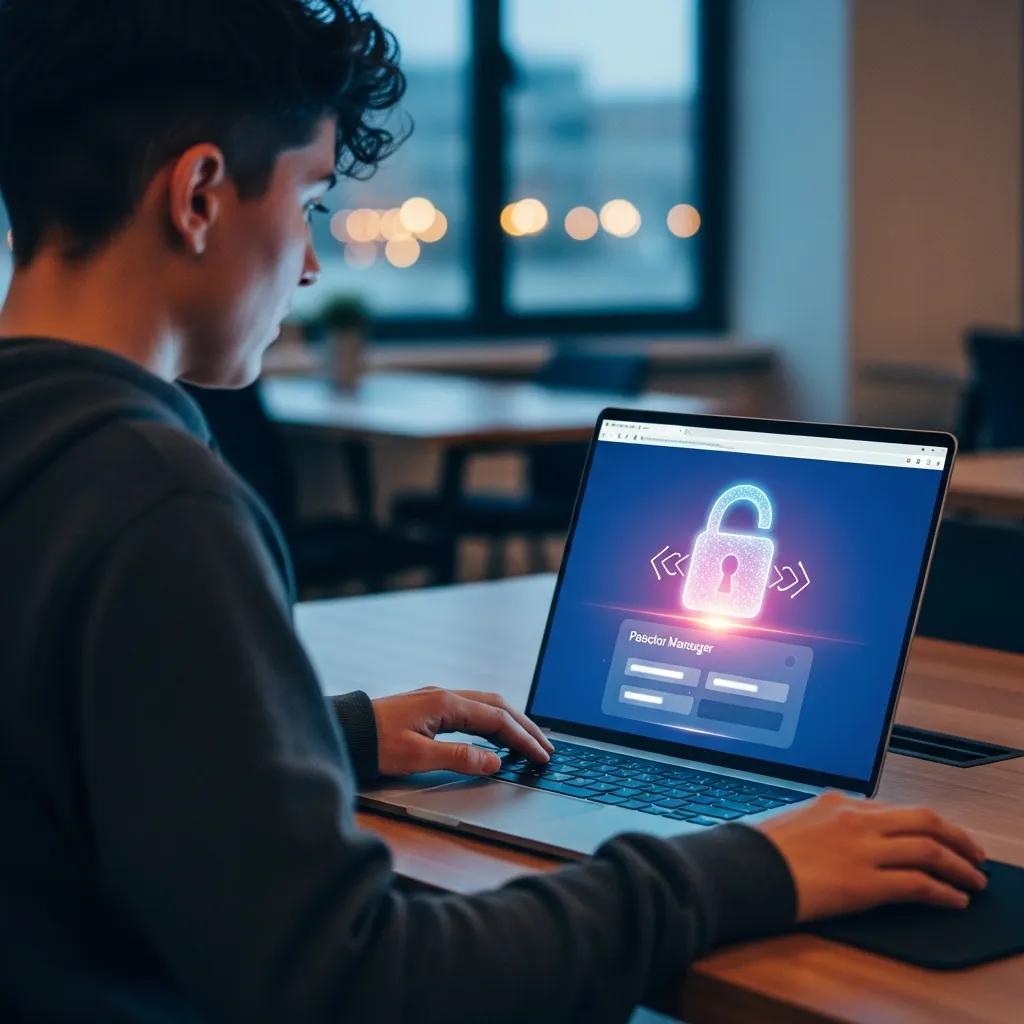
Account security stops common attacker tactics and works best layered. Key measures: unique, strong passwords stored in a manager; app-based two-factor authentication; careful handling of links and messages; and using separate contact points for tests and low-trust signups. Regularly review connected apps and revoke anything you don’t use. These habits reduce credential stuffing, phishing success, and third-party data leakage.
Use this checklist to build strong account hygiene that resists both targeted attacks and opportunistic spam.
- Use a password manager to generate and store unique, complex passwords for every account.
- Enable app-based two-factor authentication (authenticator apps or hardware keys).
- Don’t click links in unsolicited messages — verify the sender before interacting.
- Revoke unused third-party app permissions and disconnect inactive services.
- Use disposable or temporary emails for nonessential sign-ups to avoid long-term exposure.
A layered approach means if one control fails — for example, a leaked password — other barriers like 2FA and limited contact points reduce damage and buy time to respond.
How Do Strong Passwords and Two-Factor Authentication Secure Your Accounts?
Strong passwords are your first barrier: long, random, and unique prevents brute-force and reuse attacks. Password managers make generating and storing those passwords easy. Two-factor authentication adds a second verification step — ideally an authenticator app or hardware key — making it much harder for attackers to get in even with a stolen password. Together, unique passwords and app-based 2FA form a solid baseline that greatly reduces takeover risk.
Pair these controls with regular credential checks and alerts for unusual sign-ins to spot trouble early.
What Are Effective Ways to Recognize and Avoid Social Media Scams?
Scams play on urgency and impersonation. Look for red flags: unrequested password reset notices, links with mismatched domains, messages pressuring you to act fast, and recently created accounts pretending to be someone you know. Simple triage helps: verify the sender through another channel, don’t click links, and check URLs before entering credentials. Report suspicious messages and change any affected passwords. Developing a habit of pausing and validating removes the social-engineering advantage attackers rely on.
These skills pair well with registration hygiene: use temporary email addresses for low-trust sign-ups to reduce linkability. TempoMailUSA provides free, easy temporary emails you can use when registering on unfamiliar sites without exposing your main inbox.
Below is a comparison of core security measures to help you prioritize based on protection area and effort required.
Security tools offer different protection profiles. The table compares common measures so you can choose based on effort and impact.
| Security Measure | Primary Protection Area | Typical Implementation Effort |
|---|---|---|
| Strong Passwords (with manager) | Prevents credential reuse and brute-force attacks | Moderate (set up once, use ongoing) |
| Two-Factor Authentication (authenticator/hardware) | Blocks account takeover via a second factor | Low to Moderate (initial setup) |
| Temporary Email (disposable addresses) | Reduces spam and isolates sign-ups and recovery exposure | Low (use per-signup, minimal setup) |
| VPN on public Wi-Fi | Protects against network-level eavesdropping and metadata leaks | Low to Moderate (subscribe and configure) |
How Does Using Temporary Email Services Like TempoMailUSA Protect Your Social Media Privacy?
TempoMailUSA offers free, temporary email addresses that keep your primary contact private while you create accounts, test features, or sign up for promotions. Disposable addresses receive verification messages without linking your main inbox to platform records, lowering the chance your primary email ends up on marketing lists or in breach data. Using a temporary email for low-trust sign-ups decouples your identity from casual interactions, cutting spam, tracking, and cross-service linkability. Disposable addresses are a practical everyday privacy layer when combined with settings and account security.
Below is a quick comparison showing how temporary email stacks up against using your primary address for social sign-ups.
| Email Option | Exposure Risk | Spam Likelihood | Anonymity | Ease of Use |
|---|---|---|---|---|
| Temporary Email Address | Low (short-lived) | Low (discardable) | High (no long-term link) | High (quick to create) |
| Primary Email Address | High (persistent identifier) | High (shared across services) | Low (linked to identity) | High (convenient) |
| Email Alias with Forwarding | Moderate (may be linkable) | Moderate (forwarding can be filtered) | Moderate (some linkability) | Moderate (requires setup) |
Why Is Your Primary Email Address Vulnerable on Social Networks?
Your primary email often becomes a universal recovery contact and a shared identifier across services, making it visible to advertisers, partners, and — in a breach — attackers. When you use your main address to register, platforms or connected apps can add it to marketing lists or partner datasets; any breach of those lists can route spam, phishing, or targeted scams back to you. Because many people reuse passwords, compromise on one site can enable credential stuffing elsewhere. Isolating your primary inbox from casual sign-ups limits this structural vulnerability.
Disposable emails for low-risk registrations break these linkages and keep your main address exclusive.
How Does TempoMailUSA Prevent Spam and Reduce Your Digital Footprint?
TempoMailUSA cuts spam and shrinks your footprint by giving you disposable addresses for registrations that you can discard when they start getting unwanted mail. The workflow creates an alias that receives verification and initial messages; after the interaction ends or the address expires, incoming mail stops reaching you. That lifecycle prevents long-term links between your identity and the services where you used a temporary address, lowering the odds of landing on marketing lists and reducing phishing targets. Good uses include trials, newsletters you don’t plan to keep, and low-trust third-party apps.
The examples and table above show how temporary email adds a practical privacy layer during account creation and casual interactions, and why it pairs well with thoughtful privacy settings.
How Can You Manage and Minimize Your Digital Footprint on Social Platforms?
Managing your footprint means auditing what you share, removing old or unnecessary content, and limiting data flows to third parties. Regular maintenance prevents exposure from accumulating. Start by searching your name and handles, review profile fields and old posts for sensitive info, and remove or restrict anything unnecessary or public. Revoke third-party app access you no longer need and avoid cross-platform logins that spread your identity. These habits reduce the long-term datasets advertisers and malicious collectors can build, making targeted scams and profiling less effective.
Studies emphasize the importance of being aware of and managing the digital traces we leave online.
Understanding Digital Footprint Awareness
Internet use creates a trail of digital footprints — social profiles, comments, activity traces, and interactions. Awareness of these traces and the ability to control them varies, especially among younger users. Understanding and managing these footprints is key to reducing unintended exposure.
Below is a practical checklist of actions to include in quarterly or annual reviews to keep your social footprint smaller.
- Search for and archive or remove old posts that include personal data or location details.
- Check account recovery options and replace public contact points with private or disposable ones.
- Revoke unused third-party app permissions and reconnect only when necessary.
- Limit friends/followers to people you know and periodically prune inactive connections.
- Export and back up important data, then delete what you no longer need on the platform.
Following this checklist lowers persistent exposure and complements the privacy settings and temporary email strategies discussed earlier.
The table below maps common footprint actions to likely privacy outcomes and suggests how often to review them.
Different actions deliver different benefits and ideal review cadences; use this table to prioritize your work.
| Action | Expected Privacy Outcome | Recommended Frequency |
|---|---|---|
| Audit profile and remove old posts | Less searchable personal data | Quarterly |
| Revoke third-party app permissions | Reduced data sharing and access risk | Quarterly |
| Use temporary email for sign-ups | Limits long-term contact exposure | Per-signup |
| Update privacy settings and audience selectors | Controls visibility and indexing | After major updates / Semi-annually |
| Remove contact discoverability (email/phone) | Prevents reverse lookups | One-time check, verify annually |
What Steps Help You Audit and Control Your Online Presence?
A repeatable audit starts with a self-search to find indexed content tied to your name and usernames, then moves to account-level checks: review profile fields, privacy toggles, and connected apps. Prioritize removal or restriction of high-risk items — public contact details, location-tagged posts, and apps with broad permissions. Document changes and set reminders for periodic rechecks because platform defaults and policies can change. These habits reduce immediate exposure and make it easier to spot new leaks.
Doing this regularly keeps your privacy settings and temporary-email strategies effective over time.
How Do Third-Party App Permissions Affect Your Privacy?
Third-party apps often ask for broad access — friends lists, messages, or profile data — that exceeds what they need. Granting these permissions can enable silent data exports to marketing lists or let apps infer details about your network and behavior. Audit the permissions page on each platform and revoke apps you no longer use or that request excessive scopes. Reauthorizing only trusted apps with minimal scopes follows the principle of least privilege and reduces downstream exposure.
Knowing permission scopes and removing unnecessary access narrows your attack surface and pairs well with temporary email for sign-ups.
What Advanced Measures Can Further Secure Your Social Media Experience?
Advanced measures give network-level protections and organizational strategies for people who want extra privacy or resilience. Use a trusted VPN on untrusted networks to stop local eavesdropping and metadata leaks. Prefer hardware or app-based 2FA and consider compartmentalization — separate accounts or temporary emails for different activities — to limit cross-account linkability. Schedule regular privacy reviews and set alerts for unusual activity. These steps help professionals, public figures, and anyone managing sensitive contacts or business accounts.
As threats evolve, stronger two-factor authentication methods become increasingly important.
Advanced Two-Factor Authentication for Network Security
Rising cybersecurity threats show traditional 2FA methods can be vulnerable to phishing, SIM-swapping, and social engineering. Advanced approaches — like stronger cryptography, digital certificates, and biometrics — can improve resilience while remaining usable. The research compares different strategies and highlights best practices for deploying robust 2FA across networks.
Layering these advanced tools with solid configuration and hygiene reduces both opportunistic attacks and targeted efforts to correlate your online presence.
How Does Using a VPN Enhance Social Media Security?
A VPN encrypts your traffic and masks your IP address, protecting network-level metadata and making it harder for attackers on public Wi‑Fi to intercept cookies or track browsing. It’s useful in cafés, airports, and other untrusted networks where man-in-the-middle attacks are possible. Remember a VPN doesn’t stop the platform from collecting your data and you must trust the VPN provider not to log traffic. Use a reputable VPN with good account hygiene to reduce both local network risks and platform-level exposure.
Knowing these limits helps you decide when to include a VPN in your routine privacy plan.
Why Is Regular Privacy Review Important for Ongoing Protection?
Regular reviews make sure settings remain effective, permissions stay current, and forgotten sign-ups aren’t quietly collecting data. Platform updates and policy changes can reset defaults or add new features that increase exposure. Set a cadence — quarterly for active accounts, semi-annually for less-used profiles — and watch for unusual sign-ins, refresh recovery options, and reconsider whether temporary email or compartmentalized accounts are needed. Regular checks help your protections keep pace with platform changes.
TempoMailUSA provides free temporary emails that fit into your ongoing privacy toolkit when you want to limit persistent contact exposure during reviews or new account creation.
These recommendations pull together settings, habits, and tools so you can keep social networking useful while minimizing the main risks described earlier.
Frequently Asked Questions
What should I do if I suspect my social media account has been compromised?
If you think your account was compromised, act quickly. Change the password to a strong, unique one you haven’t used before. Turn on two-factor authentication if it’s not already enabled. Check account settings for unfamiliar email addresses, linked accounts, or other unauthorized changes. Let your contacts know about the breach so they can ignore any suspicious messages from your account. Finally, review connected apps and sign-in activity, and follow the platform’s recovery steps.
How can I protect my children on social media?
Protecting children starts with open conversations about privacy and safety. Teach them not to share personal info like location, school, or phone number. Use strict privacy settings, review friend lists, and encourage strong passwords with 2FA. Consider parental controls to limit content and screen time, and regularly check accounts together so they know how to spot and report problems.
What are the risks of using public Wi-Fi for social media access?
Public Wi‑Fi can be insecure. Attackers on the same network can intercept unencrypted data, capture passwords, or launch man-in-the-middle attacks. To reduce risk, avoid signing into sensitive accounts on public Wi‑Fi, use a VPN to encrypt your connection, and confirm sites use HTTPS before entering personal info.
How often should I review my social media privacy settings?
Review privacy settings every few months and after major platform updates. Regular checks ensure your settings still reflect your preferences and that new features haven’t changed defaults. Also review settings when your life changes — a new job, move, or change in relationship status — to keep exposure under control.
What should I do if I receive suspicious messages on social media?
If you get a suspicious message, don’t click links or share personal info. Verify the sender by another channel if possible. Report the message to the platform and, if it appears to come from a friend, warn them their account might be compromised. When in doubt, pause and verify.
Can using a VPN help with social media privacy?
Yes. A VPN encrypts your internet connection and hides your IP address, making it harder for attackers or trackers on the same network to see your activity. It’s especially useful on public Wi‑Fi. But a VPN won’t stop platforms from collecting data about how you use their services, so combine it with strong privacy settings and good account hygiene.
Conclusion
Protecting your privacy on social networks is a mix of settings, habits, and tools. Tighten privacy controls, use unique passwords and 2FA, and consider temporary email addresses for low‑trust sign-ups to limit exposure. Regularly review your accounts and connected apps so your defenses stay current. Start putting these practices in place today — small, consistent steps make a big difference in keeping your information safe.