


Is phoenix energy a good investment depends on your risk tolerance, investor status, and income goals — but here’s the short answer:
Quick Verdict:
| Factor | Details |
|---|---|
| Investment type | Fixed-rate corporate bonds + NYSE-listed preferred shares |
| Returns | 9%–13% annual interest (bonds); 10%–11% distributions (preferred shares) |
| Minimum to start | $5,000 (non-accredited) / $25,000 (accredited investors) |
| Track record | $229M paid to bondholders through 12/31/25; 97% satisfaction rate |
| Key risk | Bonds are illiquid and highly speculative; oil price volatility is real |
| Best for | Income-focused investors comfortable with private energy sector risk |
Phoenix Energy One, LLC is a Delaware-based oil and gas company that funds its operations partly through fixed-rate bond offerings sold directly to investors. Those bonds pay between 9% and 13% annually — rates that are hard to find in traditional fixed-income markets right now.
That kind of yield naturally raises a question: what’s the catch?
The answer isn’t simple. These bonds are not FDIC-insured, not easily sold before maturity, and tied directly to the performance of domestic oil and gas assets. At the same time, the company reports over 6,270 bondholders, a 4.8/5 Trustpilot rating from 311 reviews, and a track record of consistent monthly interest payments.
This review breaks down exactly what Phoenix Energy offers, who it’s right for, and what risks you need to understand before committing a dollar.
Understanding Phoenix Energy One, LLC and the Domestic Energy Strategy
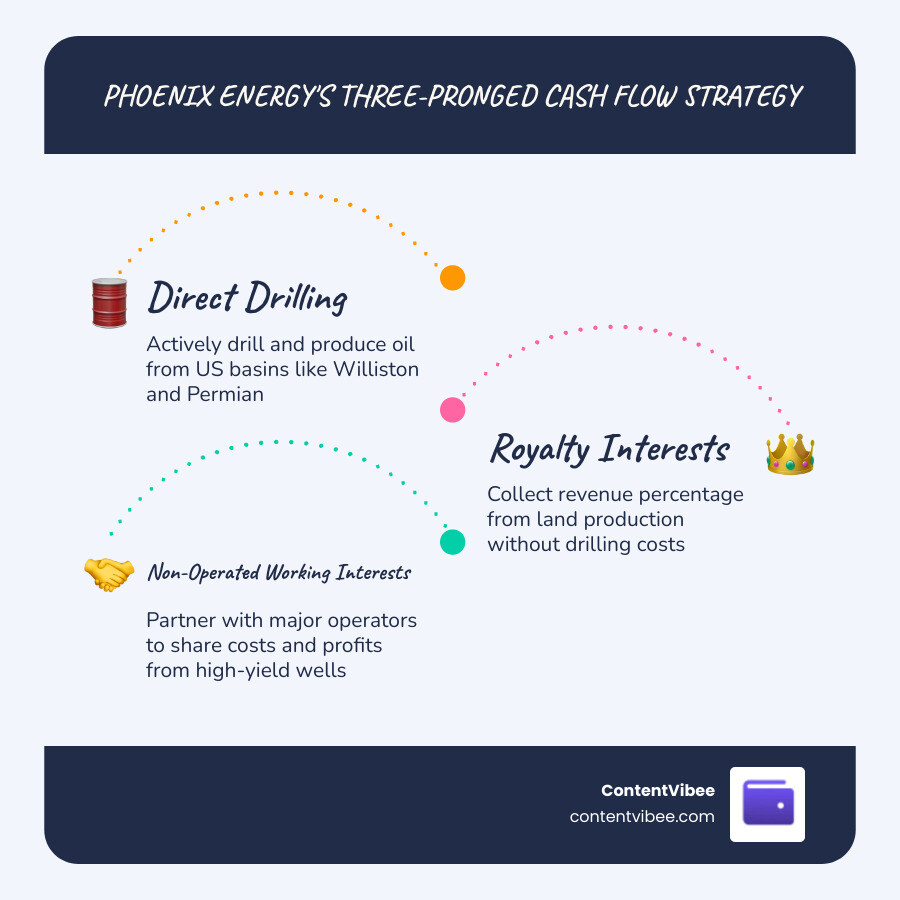
To determine is phoenix energy a good investment, we first have to look at what they actually do. Phoenix Energy One, LLC isn’t just a financial middleman; they are a vertically integrated oil and gas operator. Their strategy revolves around a “three-pronged” approach to generating cash flow from American soil.
First, they engage in direct drilling and production. They aren’t just betting on the price of oil; they are actively pulling it out of the ground. Second, they acquire royalty interests, which allow them to collect a percentage of revenue from production on specific tracts of land without the operational costs of drilling. Third, they hold non-operated working interests, where they partner with other major energy companies to share in the costs and profits of high-yield wells.
Their geographic focus is laser-targeted on the most prolific basins in the United States. You’ll find their rigs and interests in the Williston Basin (North Dakota and Montana), the Permian Basin in Texas, the Powder River and Denver Julesburg (DJ) Basins in Wyoming, and the Uintah Basin in Utah. By diversifying across these regions, they aim to mitigate the risk of a localized operational shutdown.
The core mission here is energy independence. By using Take Flight with Phoenix Energy as a vehicle, the company acquires mineral rights and leverages cutting-edge technology to optimize production. For example, their drilling teams have reported completing 3-mile wells in record time—just 6.5 days in some instances—which significantly lowers the “break-even” cost of every barrel they produce.
Is Phoenix Energy a Good Investment? Analyzing High-Yield Energy Bonds
When investors ask is phoenix energy a good investment, they are usually looking at the fixed-rate bonds. These aren’t your typical Treasury bills. These are corporate bonds backed by the company’s energy assets and revenue streams.
The appeal is the yield. While traditional savings accounts or municipal bonds might offer 4% or 5%, Phoenix Energy’s offerings go significantly higher. They offer two primary paths for bond investors: Private Placements (for those with higher net worth) and Registered Offerings (for the general public).
| Feature | Registered Offering | Private Placement (Reg D) |
|---|---|---|
| Minimum Investment | $5,000 | $25,000 |
| Annual Interest Rate | Up to 12% | Up to 13% |
| Max Term | 11 Years | 11 Years |
| Availability | Select States / Non-Accredited | All 50 States / Accredited Only |
| Liquidity | Low (Hold to Maturity) | Low (Hold to Maturity) |
The strategy here is an “asset-heavy” one. The money raised from bondholders is used to buy more land, more mineral rights, and more drilling equipment. This creates a cycle where the debt is used to acquire assets that theoretically generate enough cash to pay the interest on that debt.
Accredited vs. Non-Accredited: Is Phoenix Energy a Good Investment for Retail Investors?
One of the unique aspects of Phoenix Energy is that it has opened doors for retail investors who aren’t necessarily millionaires. Typically, high-yield energy plays are locked behind “accredited investor” walls—meaning you need a $1M net worth or $200k+ annual income.
However, via their S-1 Registered Offering, non-accredited investors can participate with a $5,000 minimum. This makes the answer to is phoenix energy a good investment more accessible to the average person looking to diversify away from the stock market. If you are an accredited investor, the Regulation D 506(c) private placement offers a slightly higher “kicker” on the interest rate, reaching up to 13% for the longest terms.
Before jumping in, it’s wise to Download an Investor Guide to check the current state availability and suitability requirements, as these can shift based on local regulations.
Monthly Payouts: Is Phoenix Energy a Good Investment for Retirement Income?
For those in or near retirement, “cash is king.” Phoenix Energy bonds offer two interest options: monthly payouts or monthly compounding. If you choose the payout option, you receive a check or deposit every month, which can serve as a steady supplement to Social Security or pension income.
Furthermore, these investments are often compatible with self-directed IRAs and other qualified funds. This allows you to grow your energy-backed returns in a tax-advantaged environment. Beyond bonds, the company also offers Series A Cumulative Preferred shares (traded on the NYSE American under the ticker PHXE.P). These shares target a 10% initial distribution that escalates to 11% over time.
When considering long-term energy plays, it’s also helpful to look at broader sector analyses, such as Why Energyx Investment Risk Analysis Long Term/, to see how different energy technologies compare in the current market.
Historical Performance and Investor Satisfaction
A company can promise 13% all day, but do they actually pay it? According to the research, Phoenix Energy has a strong track record of following through. As of April 2026, the company has paid out over $229 million to its bondholders since its inception.
With more than 6,270 bondholders on the books, the company maintains a 97% satisfaction rate based on internal polling. External validation is also strong; the Phoenix Energy One, LLC Reviews 314 – Trustpilot page shows a 4.8/5 rating. Investors frequently mention the transparency of the “investor portal,” where they can track their monthly statements and tax documents.
Transparency is a major factor in determining is phoenix energy a good investment. Unlike many private equity “black boxes,” Phoenix Energy is a full-reporting company. This means they file Form 10-Qs and audited financials with the SEC. You can literally go to the SEC’s EDGAR database and see their debt levels, revenue, and executive compensation. This level of sunlight is rare in high-yield private credit.
Unauthorized investment account access how to prevent and recover funds USA 2026
While we are discussing the merits of Phoenix Energy, we must address the “digital elephant” in the room: financial security. In 2026, the risk of unauthorized investment account access how to prevent and recover funds USA 2026 is at an all-time high. When you move large sums of money into private bonds or preferred shares, your digital hygiene must be spotless.
To protect your Phoenix Energy investment (or any brokerage account), we recommend:
- Two-Factor Authentication (2FA): Never use SMS-based 2FA; use an authenticator app or a physical security key.
- Monitor SEC EDGAR Filings: Regularly check the official filings to ensure the company’s financial health hasn’t taken a sudden turn.
- Identity Theft Protection: Use services that monitor your SSN for misuse, as credit report fraud can often lead to unauthorized wire transfers from investment accounts.
If you do fall victim to wire transfer fraud or unauthorized access, the recovery window is incredibly short. You must notify your bank and the investment firm immediately to initiate a “recall” of funds. For a deeper look at how these private energy vehicles compare to other alternative assets, you can read A Review of Why Phoenix Energy Bonds Stand Out … – SF Examiner.
The biggest risks to these bonds are illiquidity (you can’t easily sell them before the term ends) and oil price volatility. To combat the latter, Phoenix Energy uses a hedging agreement with BP, locking in prices for millions of barrels of oil to ensure they can still pay bondholders even if the market dips.
Frequently Asked Questions about Phoenix Energy
What is the minimum investment for Phoenix Energy bonds?
For the Registered Offering (open to most retail investors), the minimum is $5,000. For the Private Placement (accredited investors only), the minimum is $25,000. Additional investments can usually be made in $1,000 increments. To qualify as an accredited investor, you generally need a net worth of $1 million (excluding your primary home) or a consistent annual income over $200,000.
Are Phoenix Energy preferred shares publicly traded?
Yes. While the bonds are private contracts between you and the company, the Series A Cumulative Preferred Shares are listed on the NYSE American under the ticker PHXE.P. These offer more liquidity than the bonds because you can sell them on the open market. They feature a 10% initial distribution rate that increases to 10.5% in Year 4 and 11% in Year 5 and beyond.
How does Phoenix Energy generate the cash flow to pay bondholders?
They generate cash through three main avenues: direct drilling and production, owning royalty interests in oil-producing land, and participating in non-operated working interests. A prime example of their success is the “Young Pad” project in the Williston Basin, which reportedly generated $62 million in revenue in its first year against a development cost of $48 million.
Conclusion
So, is phoenix energy a good investment for your portfolio? If you are looking for a “get rich quick” scheme or a place to park money you might need in six months, the answer is a firm “no.” These are long-term, illiquid commitments that carry the inherent risks of the energy sector.
However, if you are an income-focused investor who is tired of the volatility of the S&P 500 and wants a fixed-rate return backed by real-world assets, Phoenix Energy presents a compelling case. With a massive $229M already paid to bondholders and a high satisfaction rating, they have proven they can navigate the complexities of the oil market while keeping their promises to investors.
At ContentVibee, we believe in using tools like the Autopilot app to manage your broader portfolio. While Phoenix Energy can provide that high-yield “anchor” for income, automated portfolio management can help balance that risk with more liquid, diversified assets. Always remember to review the fees, understand the “call” provisions of any bond, and ensure your digital security is airtight.
Explore more investment reviews and financial security guides to stay ahead of the curve in 2026.


