


EnergyX Investment Risk Analysis and Long Term Return Potential is one of the most searched topics among self-directed investors eyeing the clean energy space in 2026 — and for good reason.
Here is a quick snapshot before we dive deeper:
| Factor | Key Data Point |
|---|---|
| Current share price | $12/share (April 2026) |
| Total capital raised | $171M+ from 47,000+ investors |
| Implied valuation | Over $1 billion |
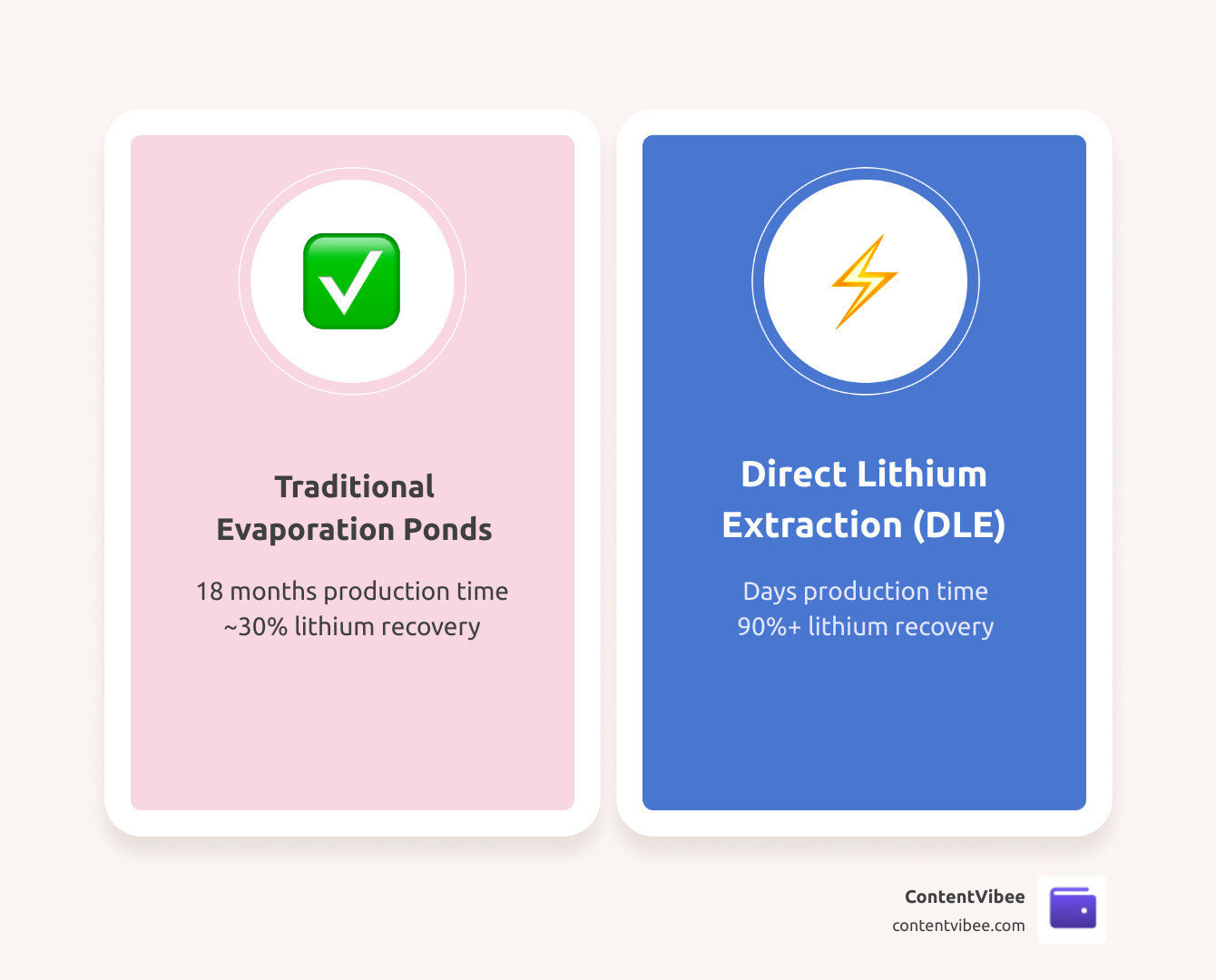
| Technology edge | 90%+ lithium recovery vs. ~30% traditional |
| Production time | Days vs. 18 months (evaporation ponds) |
| Key backers | GM, POSCO, Eni, US DOE |
| Primary risks | Illiquidity, execution, lithium price volatility |
| Exit paths | IPO, acquisition, secondary markets (Forge, Hiive) |
| Lithium demand outlook | Projected 5X growth by 2040 |
EnergyX is a pre-IPO, private-stage company. That means high potential and high risk in the same package.
Lithium sits at the center of the energy transition. Batteries for electric vehicles, grid storage, and AI data centers all need it. Yet global production today is roughly 300,000 tons per year — against a projected demand of 5.5 million tons by 2040. That is an enormous supply gap.
EnergyX claims its Direct Lithium Extraction (DLE) technology can help close that gap faster and cheaper than any conventional method. Its share price has grown roughly tenfold since its first crowdfunding round in 2021.
But a compelling story is not the same as a safe investment.
This guide cuts through the promotional noise. We will walk through the real risks, the realistic return scenarios, and what you need to know before putting your money in.
EnergyX Investment Risk Analysis and Long Term Return Potential
As we navigate the complexities of the 2026 energy market, we see EnergyX positioning itself not just as a miner, but as a technology powerhouse. At the heart of their operation is the GET-Lit™ platform, a suite of Direct Lithium Extraction (DLE) technologies including LiTAS™.
Unlike traditional methods that rely on massive evaporation ponds—which can take up to 18 months to produce lithium and only recover about 30% of the resource—EnergyX’s technology aims for 90% recovery in just a few days. This represents a 300% efficiency gain, a metric that could fundamentally shift the economics of the lithium industry.
When we look at Understanding Traditional vs Alternative Investments, EnergyX clearly falls into the “alternative” category. It is a high-growth, private equity-style play that requires a different lens than buying a blue-chip stock on the NYSE.
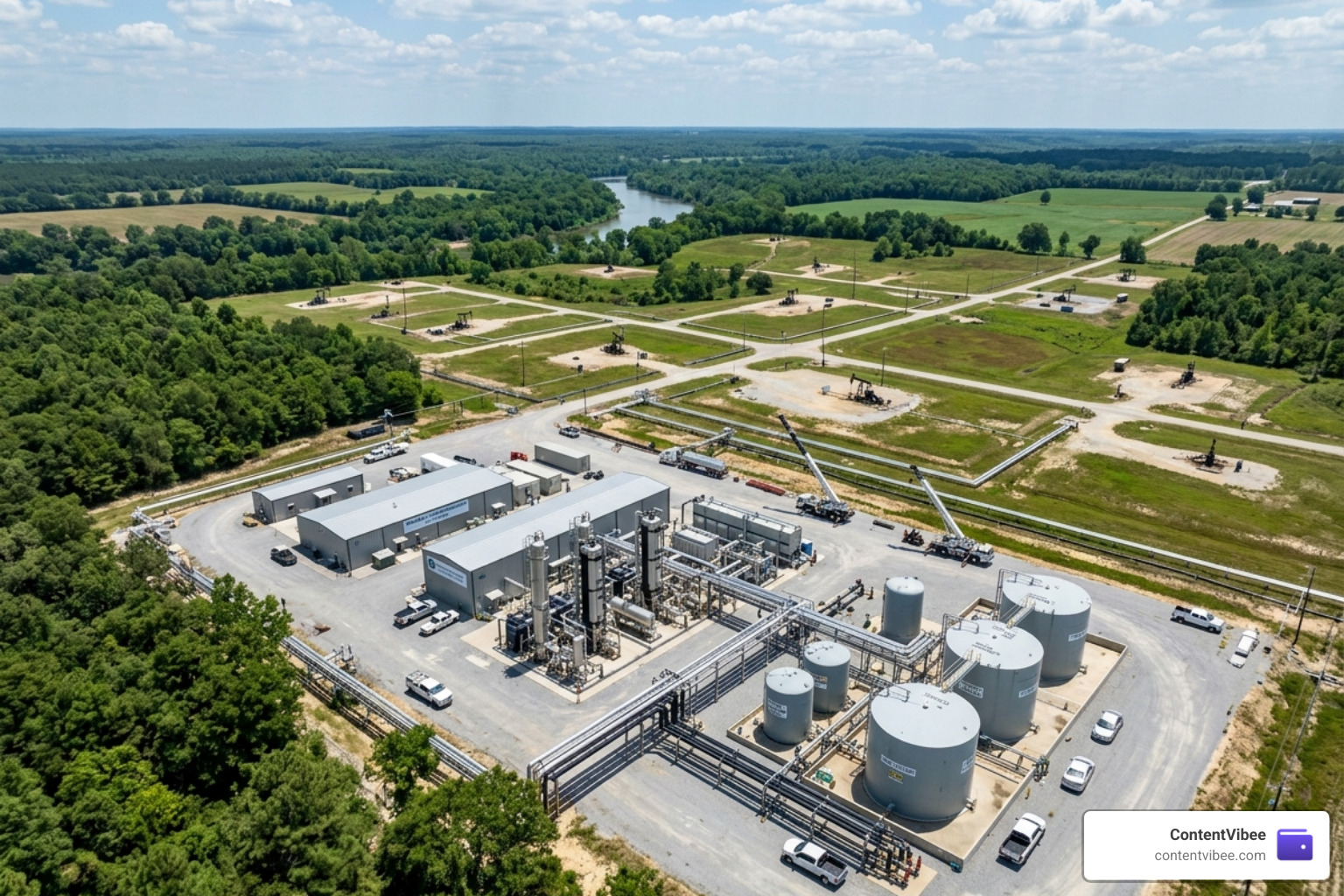
The company’s flagship projects are the muscle behind the tech. Project Black Giant in Chile covers over 100,000 acres and is designed for a capacity of 52,500 tons per year. Meanwhile, Project Lonestar in the U.S. Smackover region targets 12,500 tons per year by 2028, scaling to 50,000 tons by 2030.
To help visualize how this compares to the industry standard, consider these advanced production metrics:
| Metric | Traditional Evaporation | EnergyX LiTAS™ / GET-Lit™ |
|---|---|---|
| Recovery Rate | 30% – 40% | 90% – 98% |
| Processing Time | 18 Months | Days |
| Land Footprint | Massive Ponds | Compact Modular Plant |
| Water Usage | High Evaporative Loss | High Recyclability |
| Estimated OpEx | ~$4,200 / ton | ~$2,950 / ton |
Evaluating the EnergyX Investment Risk Analysis and Long Term Return Potential in 2026
As of April 2026, the current private offering price sits at $12 per share. For those who entered during the early crowdfunding rounds at roughly $1.20 (post-split equivalent), this represents a massive paper gain. However, for new investors, the question is whether there is still room for “Enphase-style” returns (which saw +2,501% over a five-year period).
The valuation, now exceeding $1 billion, is supported by heavy-hitting partnerships. General Motors (GM) didn’t just lead a Series B funding round; they secured offtake rights for up to 400,000 tons of lithium per year by 2035. When a global giant like GM, along with POSCO and Eni, puts skin in the game, it significantly de-risks the “will this work?” question.
For a detailed breakdown of how these prices have shifted over time, investors should consult an EnergyX Stock Price Guide to see the correlation between technical milestones and share price re-ratings.
Strategic Positioning and Long Term Return Potential
EnergyX is pursuing a vertically integrated “Brine-to-Battery” model. They aren’t just selling the “shovels” (the DLE technology); they are also owning the “gold mines” (the lithium concessions). This dual revenue stream—licensing technology (TaaS model) and selling physical lithium—creates a robust financial foundation.
In private equity, as seen with firms like Why Bridge Investment Group Private Equity, value is often captured in the “scale-up” phase. EnergyX is currently in that phase. With a projected 5X demand gap for lithium by 2040, the macro-environment is perfectly aligned for a company that can produce lithium at 50% lower CapEx/OpEx than competitors.
Technological and Operational Execution Risks
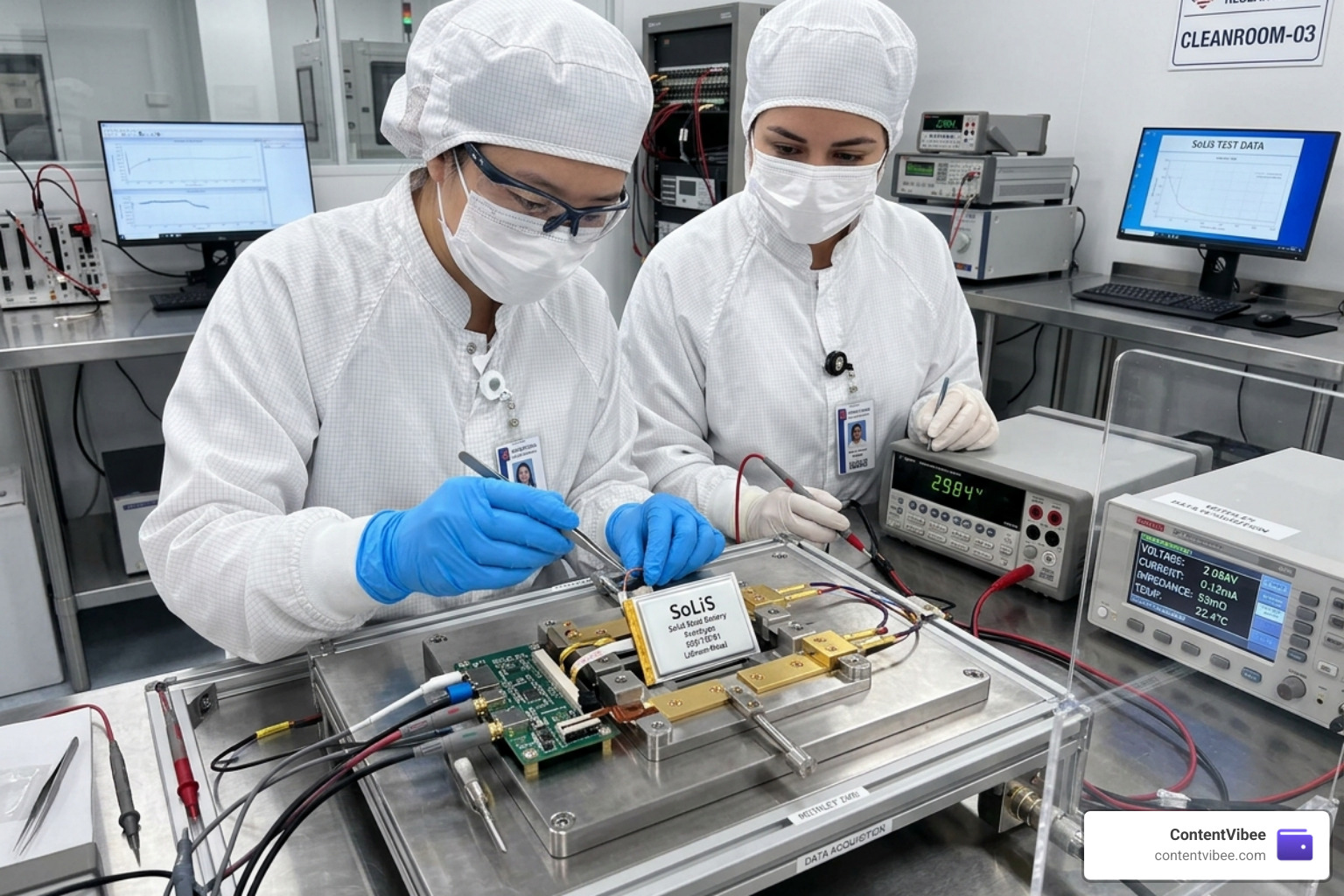
Despite the 120+ patents and successful pilot plants, we must address the “execution gap.” Moving from a pilot plant to a 50,000-ton-per-year commercial facility is a monumental engineering task. Scaling hurdles often involve membrane degradation (where the filters used to catch lithium wear out faster than expected) and unforeseen chemical impurities in different brine sources.
Furthermore, EnergyX is expanding into the nuclear space with NUKE-it™, a platform for nuclear-grade lithium isotopes. While exciting for fusion energy potential, it adds another layer of technological complexity and regulatory oversight.
Investors often ask, “Can You Buy EnergyX Stock Pre-IPO? What to Know” because they want to get in before the public debut. However, the commercialization timeline is the real risk factor here. If Project Lonestar hits delays in its 2028 Phase 1 rollout, the company’s burn rate could become a significant issue.
Mitigating Technical Failure in EnergyX Investment Risk Analysis and Long Term Return Potential
To mitigate these risks, EnergyX has assembled a “dream team” of advisors and executives. This includes:
- Dr. Benny Freeman: A world-renowned membrane expert from UT Austin.
- Dr. Amit Patwardhan: Formerly of Rio Tinto, bringing massive-scale mining experience.
- Teague Egan: A serial entrepreneur who has successfully navigated the venture capital landscape.
Their credibility is backed by a $5 million grant from the U.S. Department of Energy (DOE). In real-world pilots, the GET-Lit™ technology has achieved up to 98% recovery rates. While lab results are one thing, these in-field successes suggest the technology is robust enough for the harsh conditions of the Chilean desert or the Arkansas brine fields.
Market Volatility and Geopolitical Factors
Lithium is often called “white gold,” but its price chart can look like a rollercoaster. In recent years, we’ve seen prices swing wildly. While analysts expect stabilization around $20,000–$25,000 per metric ton by 2027, any significant drop below that could squeeze margins for all producers.
Geopolitics also play a massive role. Project Black Giant is located in Chile, a country that has seen shifting regulations regarding lithium mining. EnergyX’s strategy of using DLE—which is far more environmentally friendly than evaporation ponds—is a strategic move to satisfy ESG-conscious governments. By using less water and having a smaller physical footprint, they are more likely to secure permits than traditional miners.
In the USA, the expansion into the Smackover region (Project Lonestar) aligns with the domestic push for “battery independence.” This geopolitical tailwind provides a level of protection against international trade disputes, especially with the $690 million letter of interest from the U.S. Export-Import Bank.
Liquidity, Exit Strategies, and Valuation Modeling
One of the hardest parts of EnergyX Investment Risk Analysis and Long Term Return Potential is the “waiting game.” Unlike public stocks, you cannot simply click “sell” on your brokerage app.
Liquidity Pathways
- IPO: The most anticipated exit. If EnergyX goes public, investors could see significant liquidity.
- Acquisition: A major oil company (like Eni, who is already a partner) or an auto giant (like GM) could acquire EnergyX to secure their supply chain.
- Secondary Markets: Platforms like Forge or Hiive allow private shareholders to sell to other accredited investors. However, prices on these platforms can vary wildly from the company’s official offering price.
The Math of Returns and Dilution
When modeling your potential return, you must account for equity dilution. As EnergyX raises more capital to build massive plants, they issue more shares. Experts suggest an average annual dilution of 15% for growth-stage companies.
If you hold for 10 years, your initial percentage of the company will shrink. However, if the total “pie” (the company valuation) grows from $1 billion to $20 billion, your smaller slice of a much larger pie still represents a massive return. As noted in Is EnergyX a Good Investment? Analyzing Risks, Rewards, and Future Growth – gownandoars, the long-term potential is tied to the company’s ability to maintain its technological lead as it scales.
Frequently Asked Questions about EnergyX Investing
What is the current EnergyX share price in April 2026?
The current offering price from the company is $12 per share. This is a significant increase from the 2021 price of approximately $1.20 (post-split). However, secondary market prices on platforms like Forge or Hiive may differ based on supply and demand.
How does LiTAS™ technology reduce lithium production time?
Traditional methods rely on the sun to evaporate water from brine in massive ponds, which takes 18 months. LiTAS™ uses advanced membranes and chemical processes to extract lithium directly from the brine in a matter of days. This allows for much faster responses to market demand.
What are the primary risks of investing in pre-IPO lithium companies?
The three biggest risks are execution risk (the tech doesn’t scale as planned), market risk (lithium prices crash), and liquidity risk (you can’t sell your shares for many years). Investors should only use “risk capital”—money they can afford to lose or have locked away for a decade.
Conclusion
At ContentVibee, we believe that informed investing is the only way to navigate the “Green Revolution.” EnergyX represents a rare opportunity to invest in a company that is fundamentally changing how a critical resource is produced.
However, your EnergyX Investment Risk Analysis and Long Term Return Potential must be grounded in reality. While the 90%+ recovery rates and GM partnerships are incredibly bullish, the path to a multi-billion dollar exit is paved with engineering challenges and market volatility.
Before you commit, perform your due diligence. Review the SEC EDGAR filings, read the offering circulars, and ensure this high-beta investment fits within your broader financial plan. For more insights on how to balance your portfolio with different asset classes, check out our More info about investment categories.
The future of energy is being built today. Whether EnergyX becomes the “Enphase of Lithium” remains to be seen, but they certainly have the technology and the backing to make a run for the crown.