


GS Investment Strategies Fees and Portfolio Management Cost vary significantly depending on the product type, share class, and account size — here’s a quick breakdown:
| Product / Strategy | Typical Fee Range |
|---|---|
| Large Cap Value Fund (Class R6) | 0.69% total annual expenses (after waiver) |
| Institutional Shares (mutual funds) | ~0.66% net management fee (after waiver) |
| Class A Shares (equity funds) | Up to 5.50% front-end sales load |
| Class C Shares | 0.75% 12b-1 fee + 1.00% CDSC if redeemed within 12 months |
| Tax-Oriented Strategy (Private Wealth) | 1.65% annually on first $10 million |
| Structured Investment Strategy (Private Wealth) | 1.90% annually on first $10 million |
| Alternative Investment Funds (Private Wealth) | 0.75% (first $25M) down to 0.30% (above $200M) |
| Tax Advantaged Core Strategy (TACS) | 0.20% style manager fee |
Goldman Sachs manages money across a wide spectrum — from retail mutual funds available for as little as $1,000, all the way to ultra-high-net-worth private wealth accounts requiring at least $10 million to get started.
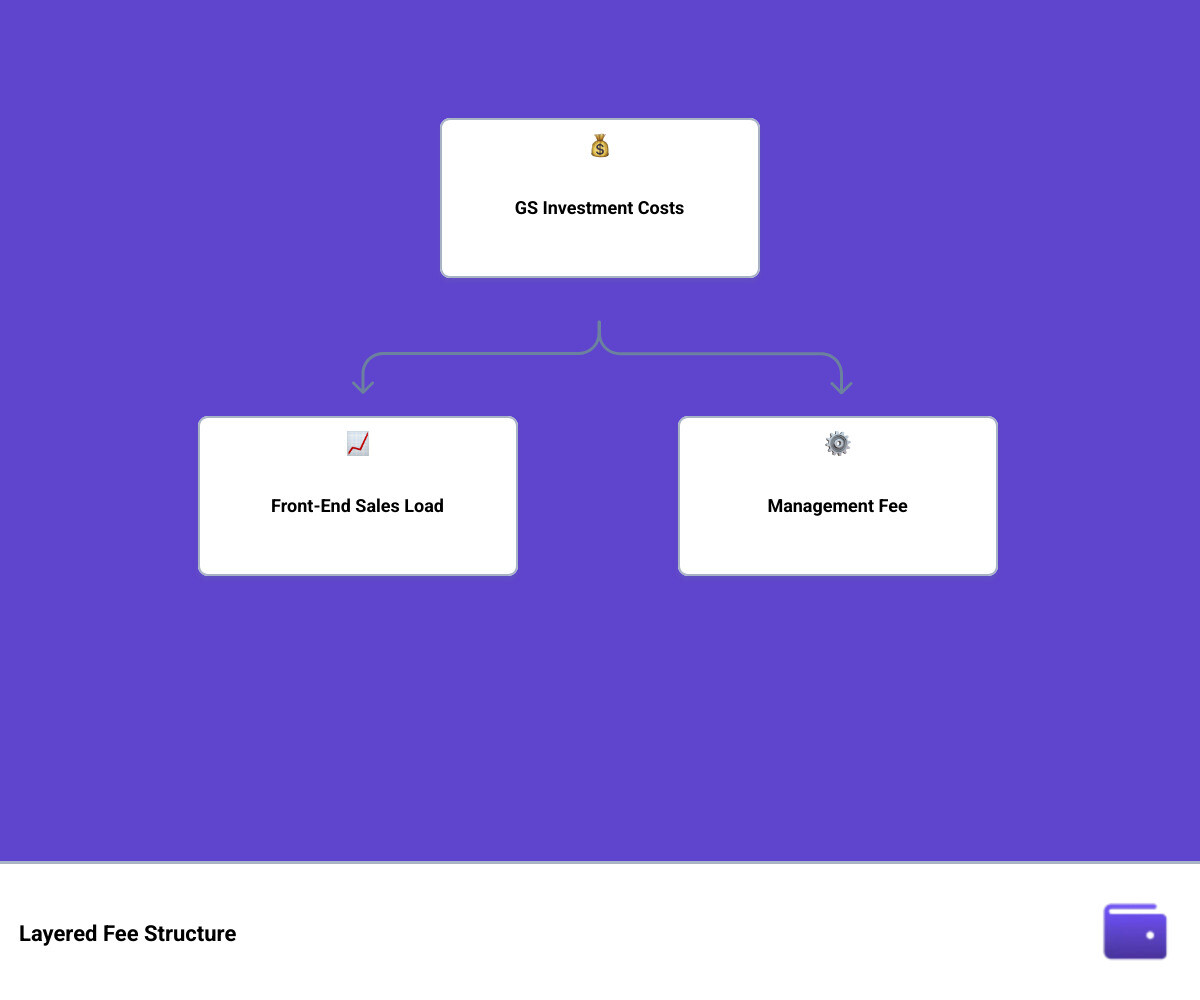
The fee structures are layered and complex. A retail investor buying Class A shares of an equity fund pays a front-end load, annual management fees, and possibly 12b-1 service fees. A private wealth client pays a different advisory fee for each strategy type — and may also carry performance-based fees (called carried interest) inside alternative investments.
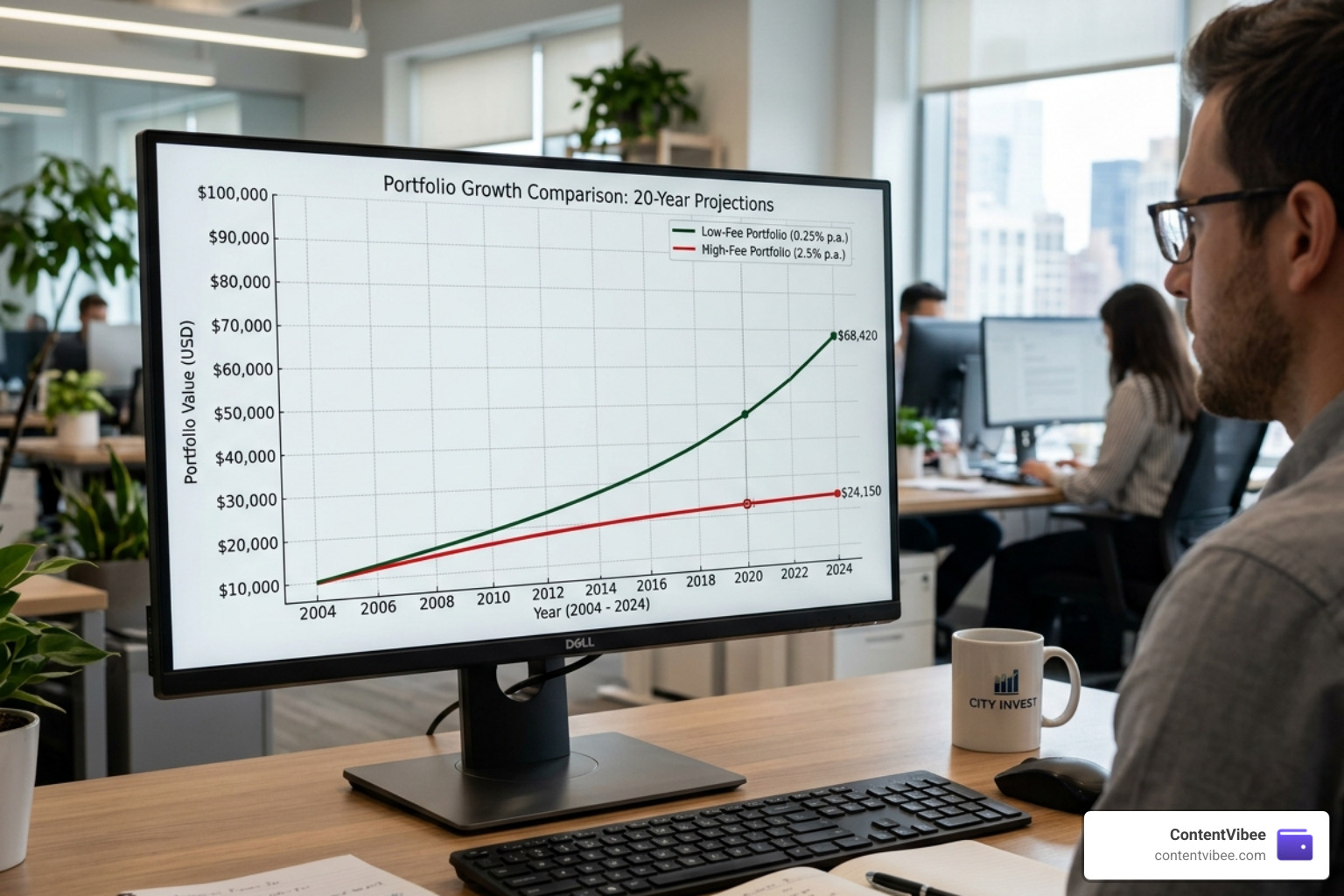
The core issue for most investors: the sticker price rarely tells the whole story. Portfolio turnover costs, underlying fund expenses in fund-of-funds structures, and third-party broker execution charges can all add to your real cost of ownership.
This guide cuts through the complexity so you can understand exactly what you’re paying — and why.
Understanding GS Investment Strategies Fees and Portfolio Management Cost
When we look at the powerhouse that is Goldman Sachs Asset Management (GSAM), the Large Cap Value Fund serves as a perfect case study for how GS Investment Strategies Fees and Portfolio Management Cost are structured. As of April 2026, the fund’s pricing is heavily dictated by the “share class” you select.
For instance, Institutional shares carry a base management fee of 0.75%. However, through active expense limitation agreements and fee waivers—currently set to stay in place through at least late 2026—the effective net management fee drops to approximately 0.66%. If you are lucky enough to have access to Class R6 shares (typically via a retirement plan), the total annual fund operating expenses after waivers sit at a lean 0.69%.
These waivers are a crucial part of the GS strategy. They essentially cap the “Other Expenses” to ensure the fund remains competitive against other institutional-grade products. But remember, these waivers are often contractual for a specific period (like until December 29, 2026), after which the costs could technically rise.
Beyond the mutual fund world, the Investment Strategy | Goldman Sachs group focuses on bespoke asset allocation. Here, the “cost” isn’t just a management fee; it’s a combination of tactical asset allocation advice and implementation guidance provided by a team of over 100 professionals.
Share Class Nuances: Sales Loads and Breakpoints
If you’re a retail investor, you’ll likely encounter Class A or Class C shares. This is where the GS Investment Strategies Fees and Portfolio Management Cost conversation gets a bit more expensive.
- Class A Shares: These carry a “front-end sales load.” For most equity funds, this is a maximum of 5.50%. This means if you invest $10,000, only $9,450 actually goes to work for you; the rest is paid as a commission. Fixed income funds are slightly cheaper, usually topping out at a 4.50% load.
- Class C Shares: These are “level-load” shares. They don’t have a front-end fee, but they charge a higher annual 12b-1 fee (often 0.75% for distribution and 0.25% for service). Plus, if you sell within 12 months, you’ll hit a 1.00% Contingent Deferred Sales Charge (CDSC). Interestingly, GS automatically converts Class C shares to Class A shares after eight years, which helps lower your ongoing expenses in the long run.
- Institutional and R6 Shares: These are the “gold standard” for low costs. They have no sales loads and no CDSCs, but they require high minimum investments—often $1 million or more for Institutional shares.
Analyzing GS Investment Strategies Fees and Portfolio Management Cost for Retail Shares
The good news is that Class A shares offer “breakpoints.” Think of these as volume discounts. If you invest $50,000, your sales load might drop. Once you hit $1 million, the front-end load usually disappears entirely.
To help reach these milestones, we can use a Letter of Intent (LOI), where we promise to invest a certain amount over 13 months, or Rights of Accumulation (ROA), which counts our existing GS holdings toward the discount. It’s also worth noting the “dealer reallowance”—this is the portion of the sales load that GS pays back to the broker who sold you the fund. This can create a conflict of interest, as brokers might be incentivized to recommend funds with higher loads.
| Share Class | Max Front-End Load | CDSC (1st Year) | 12b-1 Fees |
|---|---|---|---|
| Class A | 5.50% | None* | 0.25% |
| Class C | None | 1.00% | 1.00% |
| Institutional | None | None | None |
| Class R6 | None | None | None |
*Note: Some Class A purchases of $1M+ may have a temporary CDSC.
Private Wealth Management and Alternative Fee Structures
For those in the Ultra-High-Net-Worth (UHNW) bracket, Goldman Sachs Private Wealth Management (PWM) operates on a completely different level. Here, the typical account minimum is $10 million.
The advisory fees are strategy-dependent. For example, if you’re using a Structured Investment Strategy, the annual fee is 1.90% for the first $10 million. If you prefer a Tax-Oriented Strategy, that fee drops to 1.65%. These fees cover the high-touch advice, family office services, and personalized estate planning that comes with a PWM relationship.
When we move into Alternative Investment Fee Structures, things get even more “alternative.” Goldman Sachs utilizes two main types of vehicles:
- Drawdown Funds: Think of traditional Private Equity. You commit capital, and fees are charged on that committed amount during the investment period. Once the money is actually spent, the fee usually shifts to the “invested cost basis” and may even “step down” after a few years.
- Evergreen Funds: These are more like hedge funds or interval funds. Fees are charged on the Net Asset Value (NAV), which includes any appreciation.
The “kicker” in these investments is Carried Interest. This is a performance fee, usually 20% of the profits, paid to the managers. To protect investors, GS often employs a High Water Mark (meaning managers don’t get paid for performance until they recover previous losses) and a Preferred Return (where investors get a base return, say 8%, before the managers take their cut).

How GS Investment Strategies Fees and Portfolio Management Cost Scale for Ultra-High-Net-Worth Clients
As your wealth grows, the percentage you pay usually shrinks. For Alternative Investment Fund Strategies, the fee might start at 0.75% for the first $25 million but tier down to 0.30% for assets above $200 million.
However, UHNW clients should keep an eye on “layered fees.” If your PWM advisor puts you into a GS “fund-of-funds,” you might pay the advisory fee plus the internal management fees of the underlying funds. While GS attempts to mitigate this with rebates or waivers in some programs, the complexity makes it vital to review your Form ADV.
Tax Management Strategies and Hidden Transactional Costs
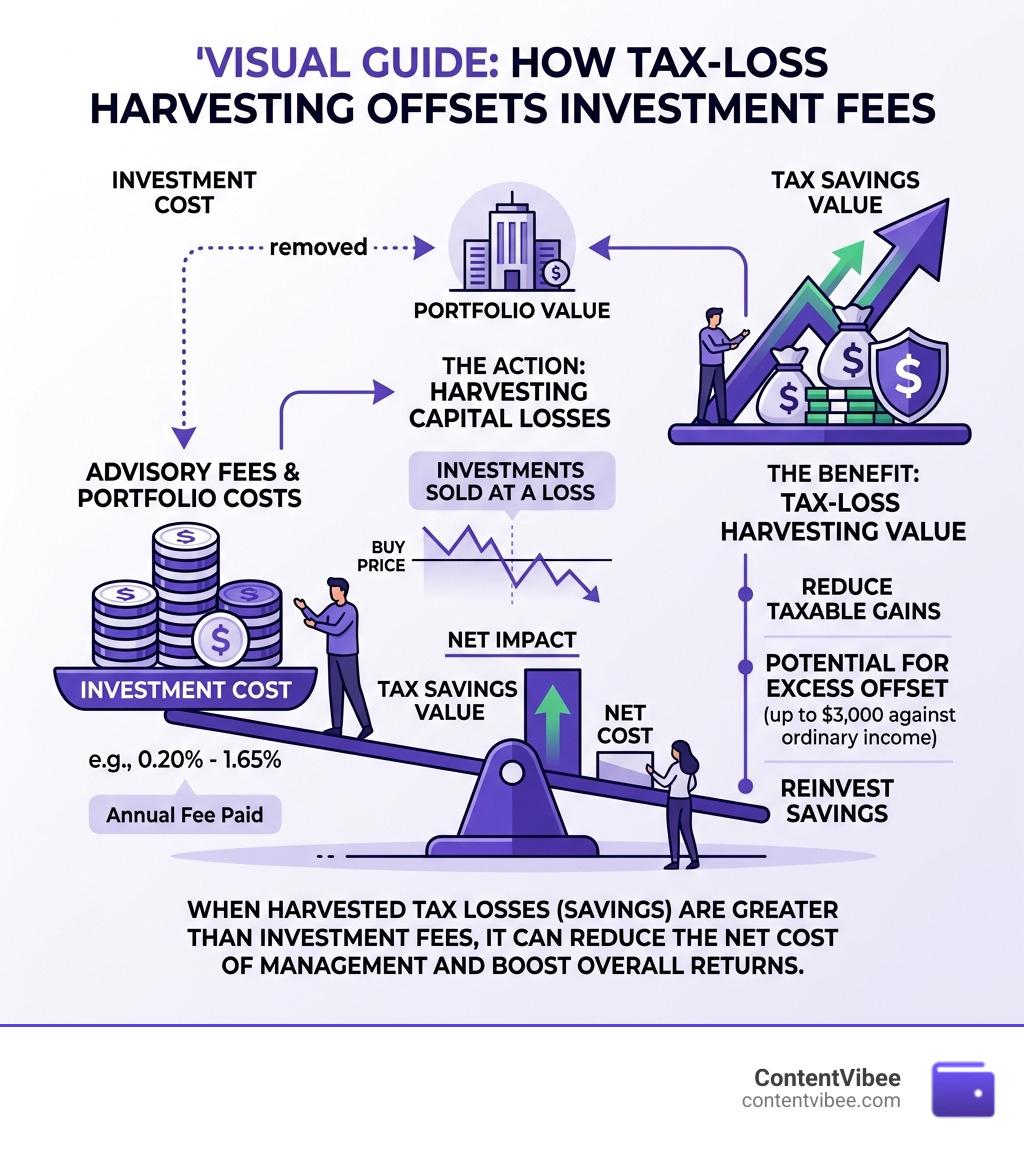
One way Goldman Sachs justifies its GS Investment Strategies Fees and Portfolio Management Cost is through aggressive tax management. The Tax Advantaged Core Strategy (TACS) is a prime example. With a $250,000 minimum, this strategy aims to track the S&P 500 while harvesting tax losses to offset gains elsewhere in your portfolio.
The Style Manager Fee for TACS is a relatively low 0.20%, but the value added through tax-loss harvesting can often exceed the fee itself. They use a HIFO (Highest In, First Out) accounting method, ensuring that when you sell a position, you’re selling the shares that cost you the most, minimizing your taxable gain.
However, we must also consider Portfolio Turnover. For the Large Cap Value Fund, the turnover rate was recently reported at 74%. This means the fund replaced nearly three-quarters of its holdings in a single year. While this isn’t an “official” fee shown in the expense ratio, it creates transaction costs (commissions and spreads) that eat into your total return. High turnover can also lead to short-term capital gains distributions, which are taxed at higher rates than long-term gains.
Frequently Asked Questions about GS Investment Costs
What is the difference between Class A and Class C sales charges?
Class A shares charge you upfront (front-end load), but have lower annual expenses. Class C shares don’t charge you to get in, but they charge you more every year you stay in (higher 12b-1 fees). Generally, if you plan to hold the fund for more than 6-8 years, Class A is cheaper. If you’re only staying for a couple of years, Class C might be better (assuming you stay at least 12 months to avoid the CDSC).
How do GS performance-based fees work in alternative investments?
In most GS alternative funds, managers earn “carried interest,” which is typically 20% of the profits. However, they usually don’t get this until they have provided you with a “preferred return” (a minimum hurdle rate). There is also a “GP catch-up” provision that allows the manager to get their 20% share of the initial profits after you’ve hit your hurdle.
Can I negotiate the $10 million minimum for Private Wealth Management?
While $10 million is the stated “typical” minimum for Private Wealth Management, it is not set in stone. Goldman Sachs may accept smaller accounts if there is a high potential for future growth or if the client has a significant existing relationship with the firm. However, for smaller balances (e.g., $1 million to $2 million), you might be better served by their digital platforms or advisory programs with lower overhead.
Conclusion
Navigating GS Investment Strategies Fees and Portfolio Management Cost requires a keen eye for detail. Whether you are a retail investor looking at the 0.69% net expense ratio of the Large Cap Value Fund or a high-net-worth individual weighing a 1.90% advisory fee for structured products, the goal is always the same: ensuring the value of the advice exceeds the cost of the service.
Goldman Sachs offers undeniable prestige and access to institutional-grade research, but that access comes with a price tag that is often higher than “passive” index-tracking alternatives. It is vital to consider the impact of sales loads, 12b-1 fees, and portfolio turnover on your long-term wealth.
For those who find the GS world a bit too complex or expensive, there are other ways to manage your money. You might explore Understanding the Wealthfront Investment Fees for a more automated, low-cost approach, or see What You’re Actually Paying at Edward Jones for a comparison of traditional brokerage costs. If you are looking for specialized research to pick your own stocks and potentially avoid some of these management fees altogether, it might be worth asking: Is Zacks Investment Research Worth Paying For?
Transparency is your best friend. Always request the latest Prospectus and Form ADV, and don’t be afraid to ask your advisor about fee waivers and breakpoint discounts. For more deep dives into the financial world, visit our categories page.


