


What Does a Workers Comp Lawyer Actually Cost?
If you’re wondering how much does a workers comp lawyer cost, here’s the short answer:
| Cost Factor | Typical Range |
|---|---|
| Contingency fee percentage | 10% to 30% of your settlement |
| Average total attorney cost | $1,000 to $12,000 |
| Average fee (national survey) | ~15% of settlement or award |
| California-specific range | 9% to 15% |
| New York cap | 15% of settlement |
| Upfront cost to you | $0 — you pay only if you win |
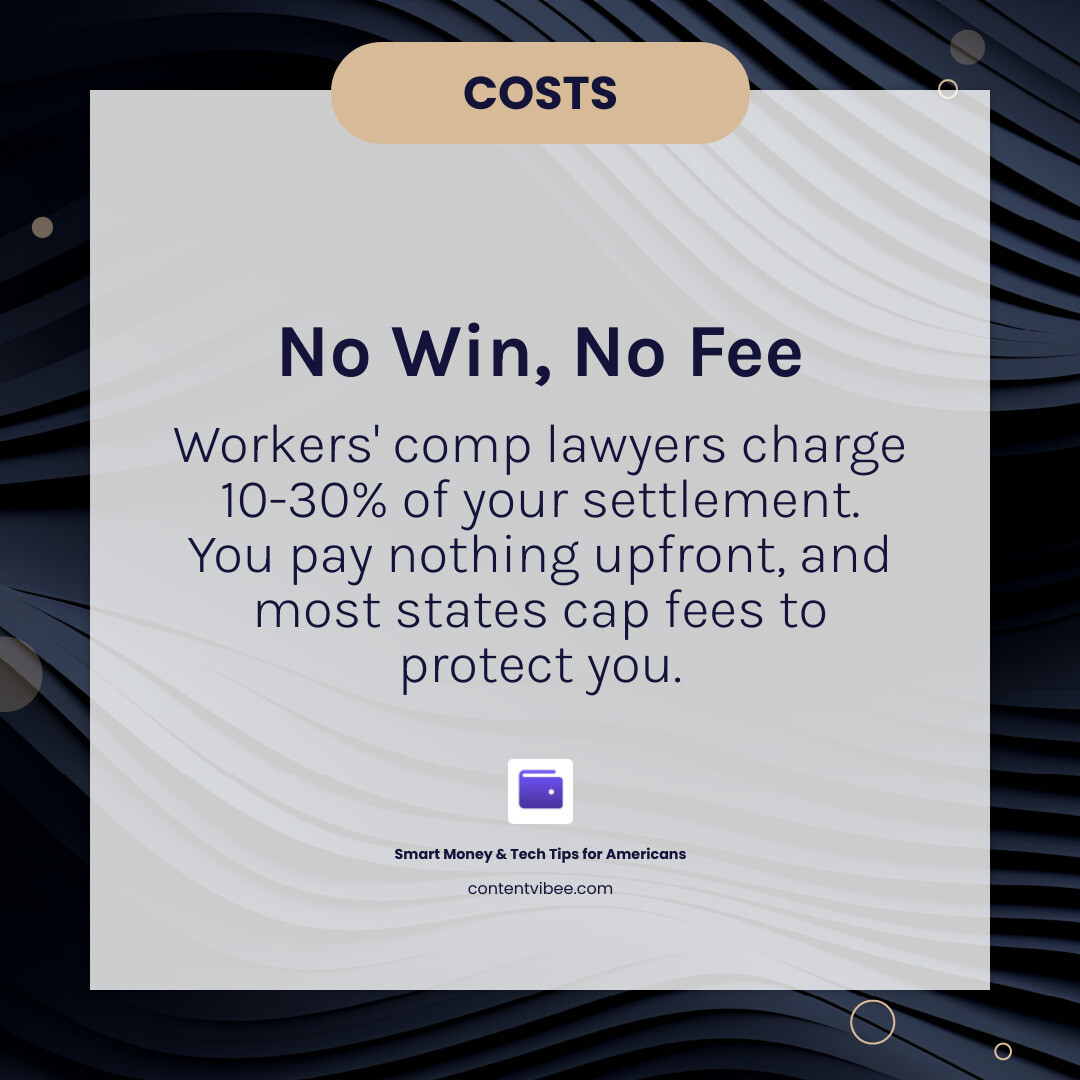
The bottom line: most workers’ comp lawyers charge nothing upfront. They take a percentage of what you win — and only if you win. This is called a contingency fee.
Most states also cap how much a lawyer can charge, so there are legal limits protecting you from excessive fees.
One of the first things injured workers worry about is whether they can even afford a lawyer. The good news is that this area of law was specifically designed to remove that barrier. If you’re already dealing with lost wages, medical bills, and a stressful claim process, the last thing you need is a large legal bill before your case even starts.
Research consistently shows that workers who hire attorneys receive, on average, 30% more in compensation than those who go it alone — often making the lawyer’s fee well worth it.
This guide breaks down exactly what you’ll pay, how fees work by state, what hidden costs to watch for, and when hiring a lawyer is truly worth it.
Understanding How Much Does a Workers Comp Lawyer Cost
When we talk about how much does a workers comp lawyer cost, we aren’t talking about the traditional hourly rates you might see in corporate law or divorce proceedings. Instead, the workers’ compensation system almost exclusively uses a contingency fee model.
In this setup, the attorney’s payment is “contingent” upon them winning your case or securing a settlement. If they don’t get you money, they don’t get paid for their time. This aligns your interests perfectly: the more money the lawyer secures for you, the higher their fee becomes. It transforms the lawyer from a service provider into a partner in your recovery.
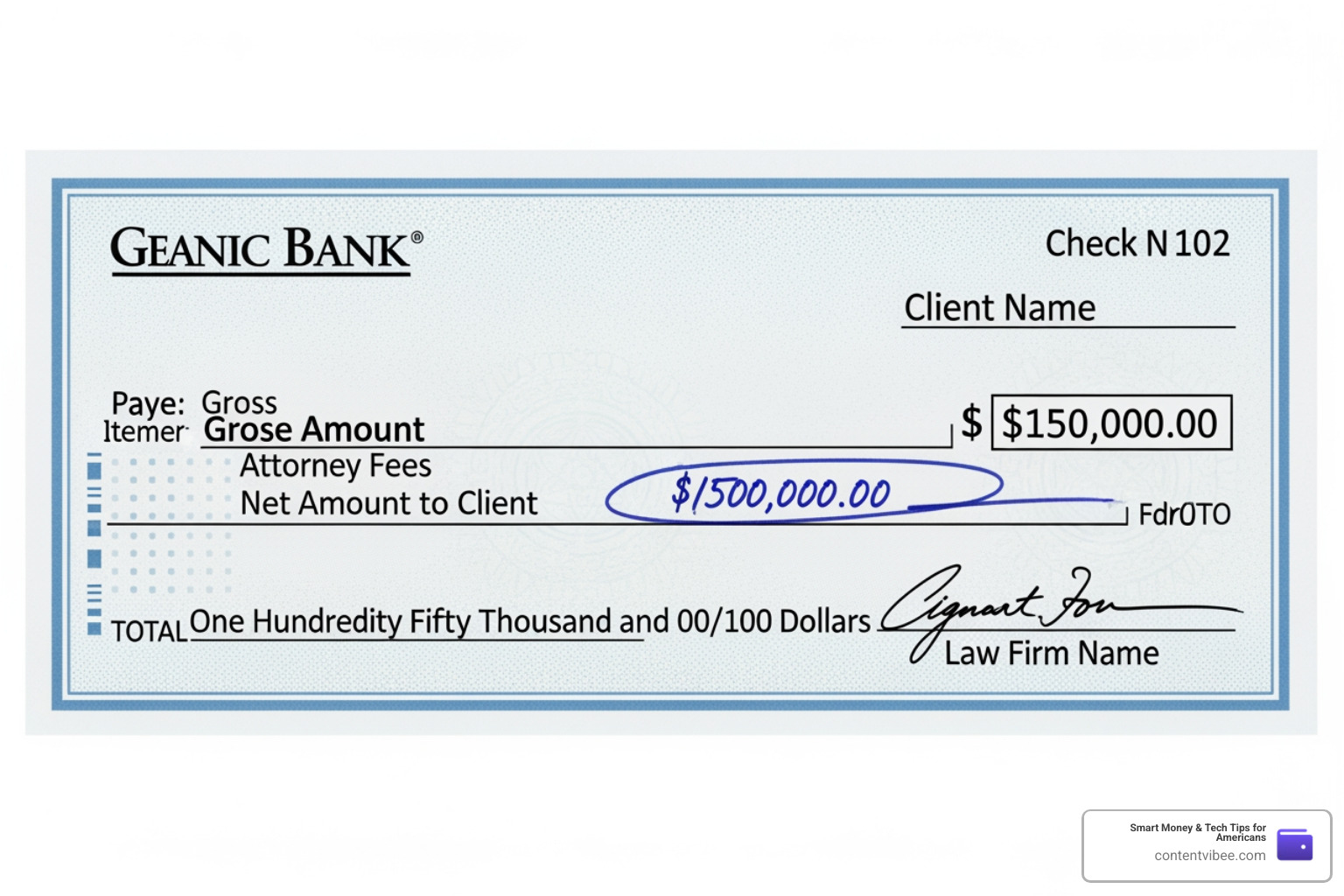
Typically, these fees are deducted directly from your final settlement check or award. You won’t have to write a check out of your own bank account; rather, the insurance company or the state board will issue a separate payment to the lawyer based on a percentage approved by a judge. To get a better idea of what your take-home amount might look like after fees, you can use a Personal Injury Settlement Calculator.
Typical Percentage Ranges in 2026
As of May 2026, the national landscape for workers’ comp fees remains highly regulated but varies slightly by the complexity of the case. Generally, you can expect to pay between 10% and 30% of your total recovery.
While the average total cost for legal representation ranges from $1,000 to $12,000, most national surveys indicate that injured employees report their lawyers receiving an average of 15% of the settlement. This is significantly lower than the 33% to 40% often seen in other types of litigation. For a broader comparison of legal costs, you might find our guide on How Much Does a Personal Injury Lawyer Charge? helpful.
How Contingency Fees Protect Injured Workers
The primary benefit of the contingency fee is accessibility. We believe that legal protection shouldn’t be a luxury reserved for the wealthy. If you’ve been injured on the job, your income has likely taken a hit, and your medical bills are mounting.
By removing upfront costs, the contingency model shifts the financial risk from the injured worker to the law firm. The attorney is the one “gambling” their time and resources. This ensures that even someone with zero dollars in savings can stand on equal footing with a multi-billion dollar insurance company. For more information on navigating the legal system without breaking the bank, check out our Legal Guides.
State-Specific Fee Caps and Regulations
One of the most unique aspects of workers’ comp law is that fees aren’t just a matter of contract between you and your lawyer—they are governed by state law. In almost every jurisdiction, a judge must review and approve the attorney’s fee to ensure it is “reasonable.”
Here is a quick comparison of how fees are handled in some of the major states we’ve researched:
| State | Attorney Fee Cap | Approval Process |
|---|---|---|
| California | 9% to 15% | Must be approved by a Workers’ Comp Judge |
| New York | ~15% | Capped at 15% of settlement or 1/3 of one weekly check |
| Indiana | Tiered Schedule | 20% of first $50k; 15% thereafter |
California Workers’ Comp Fee Structures
Since we operate in California, we pay close attention to the California Labor Code. In the Golden State, attorney fees are remarkably low compared to other states. Most California workers’ comp lawyers charge between 9% and 15% of the benefits recovered.
A judge at the Workers’ Compensation Appeals Board (WCAB) must sign off on the fee. They look at the complexity of the case, the amount of work the lawyer put in, and the results achieved. California law is very protective of workers; attorneys are generally prohibited from taking fees from your medical benefits—they only take a cut from the financial compensation (indemnity) you receive.
New York and Indiana Legal Limits
While we focus on California, it’s helpful to see how other states compare. In New York, the fee is typically capped at 15% of the compensation awarded. If the lawyer helps you get ongoing weekly benefits, they might be awarded a fee equal to several weeks of those benefits, but they cannot take a massive chunk of your ongoing survival money.
Indiana uses a “statutory schedule,” which is a fancy way of saying they have a tiered system. As of 2026, the rules generally allow for:
- A minimum fee of $200.
- 20% of the first $50,000 recovered.
- 15% of any recovery above $50,000.
- 10% of unpaid or out-of-pocket medical expenses the lawyer successfully recovers for you.
Hidden Expenses and Additional Case Costs
When asking how much does a workers comp lawyer cost, it is vital to distinguish between “fees” and “costs.” The fee is the lawyer’s pay for their time. The costs (or expenses) are the out-of-pocket prices for building your case.

Even if a lawyer doesn’t charge an upfront fee, there are real-world expenses involved in litigation. For a deeper dive into these nuances, read How Much Do Lawyers Charge for Accident Claims?
Common Litigation Expenses
To win a workers’ comp case, your lawyer needs evidence. Evidence isn’t free. Common expenses include:
- Medical Records: Doctors and hospitals charge per page to print your history.
- Expert Witnesses: If your case goes to a hearing, your lawyer might hire a vocational expert or an independent doctor to testify. These pros can charge thousands of dollars.
- Deposition Transcripts: If the insurance company lawyer questions you under oath, a court reporter must type it all up. Those transcripts are expensive.
- Filing Fees and Postage: While many workers’ comp boards don’t have high filing fees, the administrative costs of mailing and copying thousands of pages add up.
If you are struggling with these costs, you might look into Finding Free Legal Help Online for initial advice.
Who Pays for Costs if the Case is Lost?
This is a crucial question to ask during your free consultation. Most reputable workers’ comp firms “advance” these costs. This means they pay for the records and experts out of their own pocket while the case is ongoing.
If you win, the lawyer is reimbursed for these costs out of the settlement in addition to their fee. But what if you lose?
- The “Pro-Worker” Firm: Many firms will waive these costs if they lose the case, meaning you truly pay $0.
- The “Standard” Firm: Some contracts state that while the fee is contingent, the client is still responsible for the hard costs (like medical record fees) even if the case is lost.
Always read your representation agreement carefully to see which category your lawyer falls into. For more on this, see How Much Does a Personal Injury Lawyer Cost?
Is the Cost of a Workers Comp Lawyer Worth the Investment?
We often hear people say, “Why would I give away 15% of my money?” It’s a fair question. However, the data suggests that a lawyer doesn’t just take a piece of the pie—they usually make the pie much bigger.
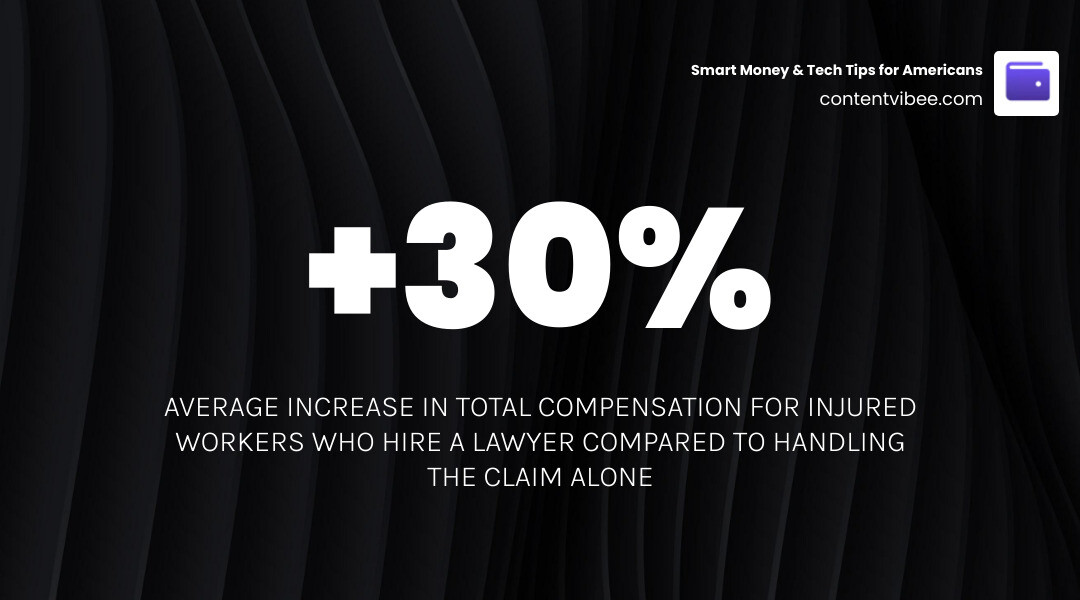
According to industry statistics, injured workers who hired attorneys received an average of 30% more in total compensation. If a lawyer takes 15% but increases your settlement by 30%, you still end up with more money in your pocket than if you had handled it yourself. You can test these numbers yourself with a Realistic Settlement Calculator.
When to Handle a Claim Yourself
You might not need a lawyer if:
- Your injury was minor (e.g., a small cut that required three stitches).
- Your employer and the insurance company have admitted 100% liability.
- You missed very little work and are already back at your full salary.
- The insurance company is paying all your medical bills without argument.
In these “clean” cases, the value a lawyer adds might not outweigh the 10-15% fee.
When Legal Representation is Essential
On the other hand, you should almost certainly hire a lawyer if:
- Your claim was denied: The insurance company says it didn’t happen at work.
- The “Lowball” Offer: They offer you a small lump sum before you’ve even finished healing.
- Permanent Disability: Your doctor says you will never be 100% again.
- Surgery is Required: High-cost medical procedures often trigger insurance company resistance.
- You can’t return to your old job: You need vocational rehabilitation or a large settlement to retrain for a new career.
In these scenarios, the insurance company has a team of lawyers working to minimize your payout. You deserve a team working to maximize it.
Frequently Asked Questions about Workers Comp Legal Fees
Can I negotiate how much does a workers comp lawyer cost?
Technically, yes, you can negotiate. However, because workers’ comp fees are already so low (9-15% in California) and are capped by law, most experienced attorneys will not budge on their percentage. They know their value. You are more likely to successfully negotiate fees in a high-value case where the work required is minimal, but in most workers’ comp situations, the “standard” fee is what you should expect to pay.
What happens to the fee if I change attorneys mid-case?
If you decide to switch lawyers, you don’t pay double. The total fee remains the same (e.g., 15%). The two lawyers will have to work out a “proportional split” based on how much work each performed. This is often called quantum meruit. The first lawyer will likely file a “lien” on your case to ensure they get their fair share when it finally settles.
How much does a workers comp lawyer cost for ongoing benefits?
If your case results in ongoing weekly checks rather than a one-time lump sum, the fee structure changes. In New York, for example, a lawyer might be awarded a fee equal to one-third of one weekly check, or a set amount from each check for a certain period. In California, lawyers often don’t take a cut of your weekly temporary disability checks at all, preferring to wait for the final settlement to collect their fee.
Conclusion
At Smart Money & Tech Tips for Americans, we want you to make decisions based on facts, not fear. Understanding how much does a workers comp lawyer cost is the first step in taking control of your financial future after a workplace injury.
With no upfront costs, state-mandated fee caps, and the potential to increase your settlement by 30% or more, hiring a lawyer is often the smartest financial move an injured worker can make. It provides peace of mind and ensures that while you focus on healing, a professional is focusing on your bank account.
If you’re interested in more guides on how much legal help really costs, check out our deep dive into How Much Does a Divorce Lawyer Really Cost? to stay informed on all your legal spending. Stay safe, and remember: you don’t have to navigate the system alone.


