


Why a Trucking Company Liability Lawyer Matters After a Serious Crash
A trucking company liability lawyer investigates whether the company behind a commercial truck crash – not only the driver – caused or helped cause the harm. This can include pressure to meet unsafe delivery schedules, poor hiring or training, skipped maintenance, weak cargo-loading practices, or failure to follow federal safety rules.
In short, a trucking company may be responsible in two main ways:
- Vicarious liability: The driver was working within the scope of the job when they acted negligently.
- Direct corporate negligence: The company made unsafe decisions, such as allowing fatigued driving, hiring an unqualified driver, or putting a poorly maintained truck on the road.
Truck crashes are rarely as simple as one driver’s mistake. A carrier, truck owner, maintenance provider, cargo loader, shipper, or freight broker may each have records that reveal who controlled safety decisions. Those records can disappear quickly, including electronic logs, dash camera footage, dispatch messages, and vehicle data.
This guide explains how corporate trucking negligence works, what evidence can prove it, and why fast action can protect an injury or wrongful-death claim.
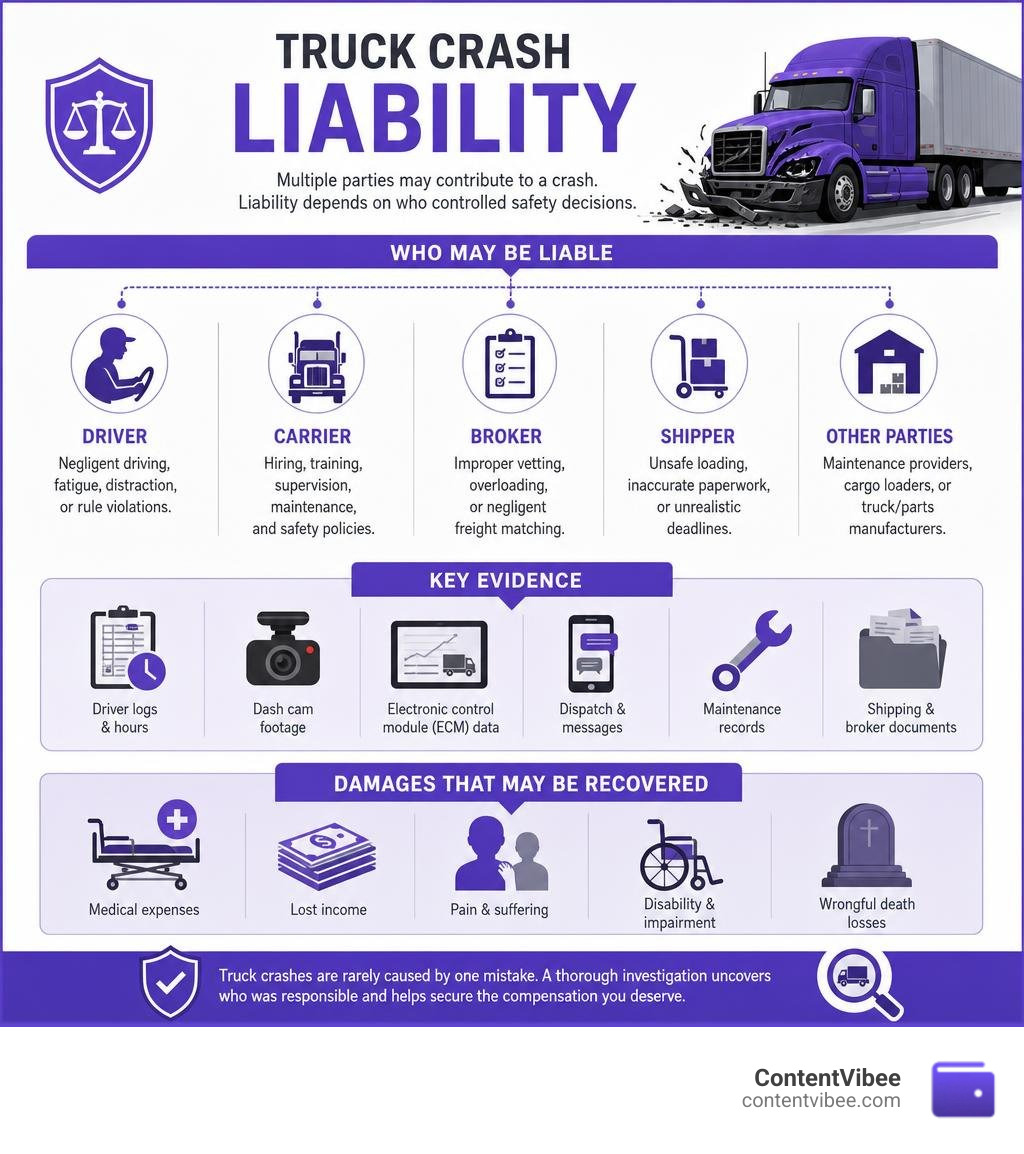
Glossary for trucking company liability lawyer:
Corporate Negligence and Trucking Company Fault Beyond Driver Error
When a 80,000-pound semi-truck collides with a 4,000-pound passenger car, the results are almost always catastrophic. While initial police reports often focus on the immediate actions of the commercial driver—such as speeding, lane departures, or delayed braking—a thorough legal investigation looks far upstream into corporate operations. Holding a motor carrier accountable requires evaluating both indirect responsibility and direct systemic failures.
Vicarious Liability (Respondeat Superior) vs. Direct Negligence
Under the common law doctrine of respondeat superior (vicarious liability), employers are held legally responsible for the negligent acts of their employees committed within the course and scope of their employment. If an employed truck driver causes an accident while hauling freight on an assigned route, the trucking company is automatically liable for the resulting harm.
However, corporate carriers frequently attempt to evade vicarious liability by classifying their operators as independent contractors. Under 49 CFR § 376.12 of the Federal Motor Carrier Safety Regulations (FMCSR), federal law addresses this loophole by treating contractor drivers as statutory employees for safety compliance purposes. Furthermore, a skilled trucking company liability lawyer will look beyond contractual labels to establish direct corporate negligence. Direct claims target the operational decisions of the trucking company itself, establishing that corporate policy created an environment where an accident was virtually inevitable.
Common Operational Causes of Trucking Company Fault
Commercial motor carriers operate under strict statutory duties governed by the Federal Motor Carrier Safety Administration (FMCSA). When companies cut corners to increase profit margins, systemic failures occur across four key operational areas:
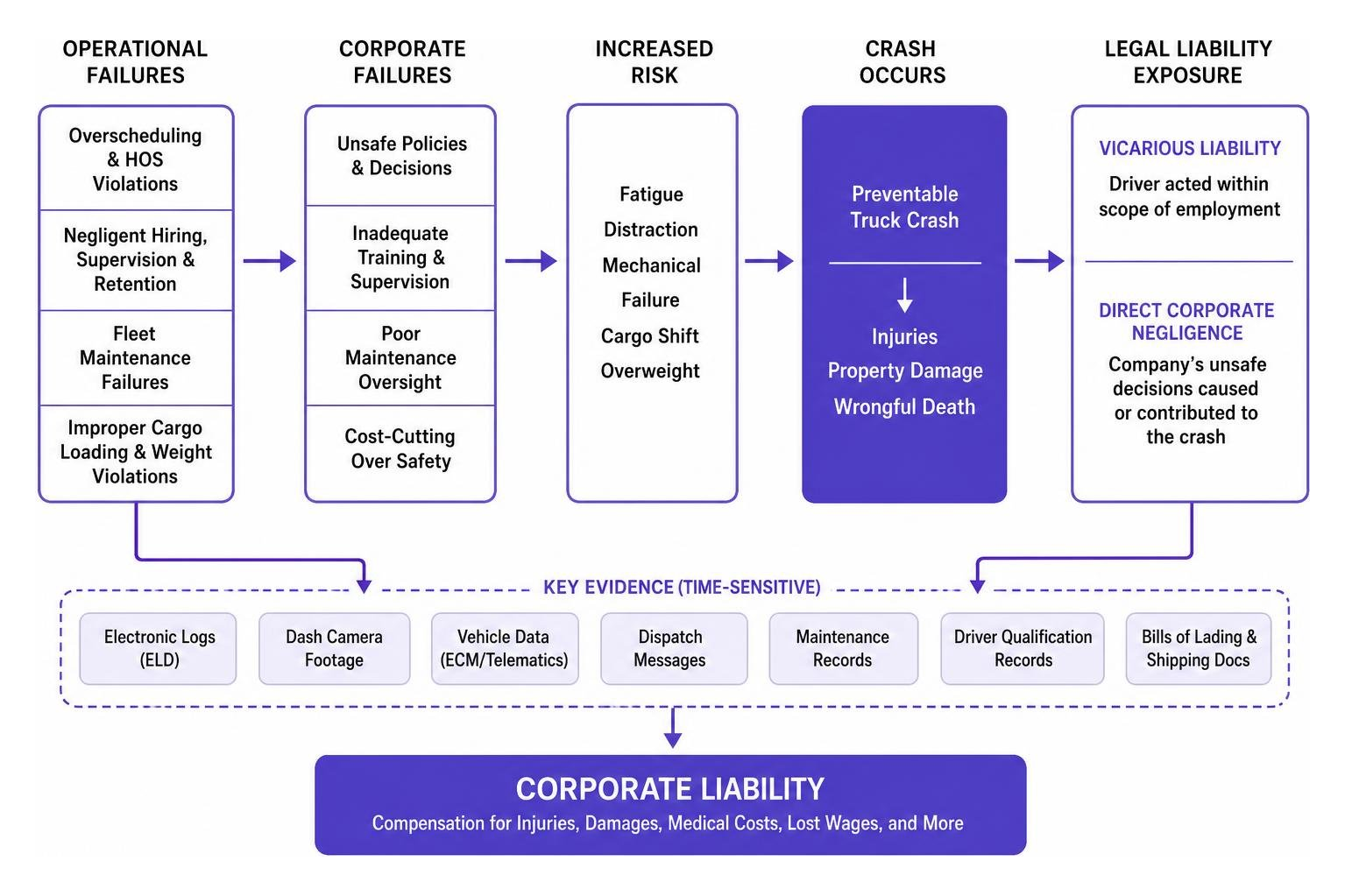
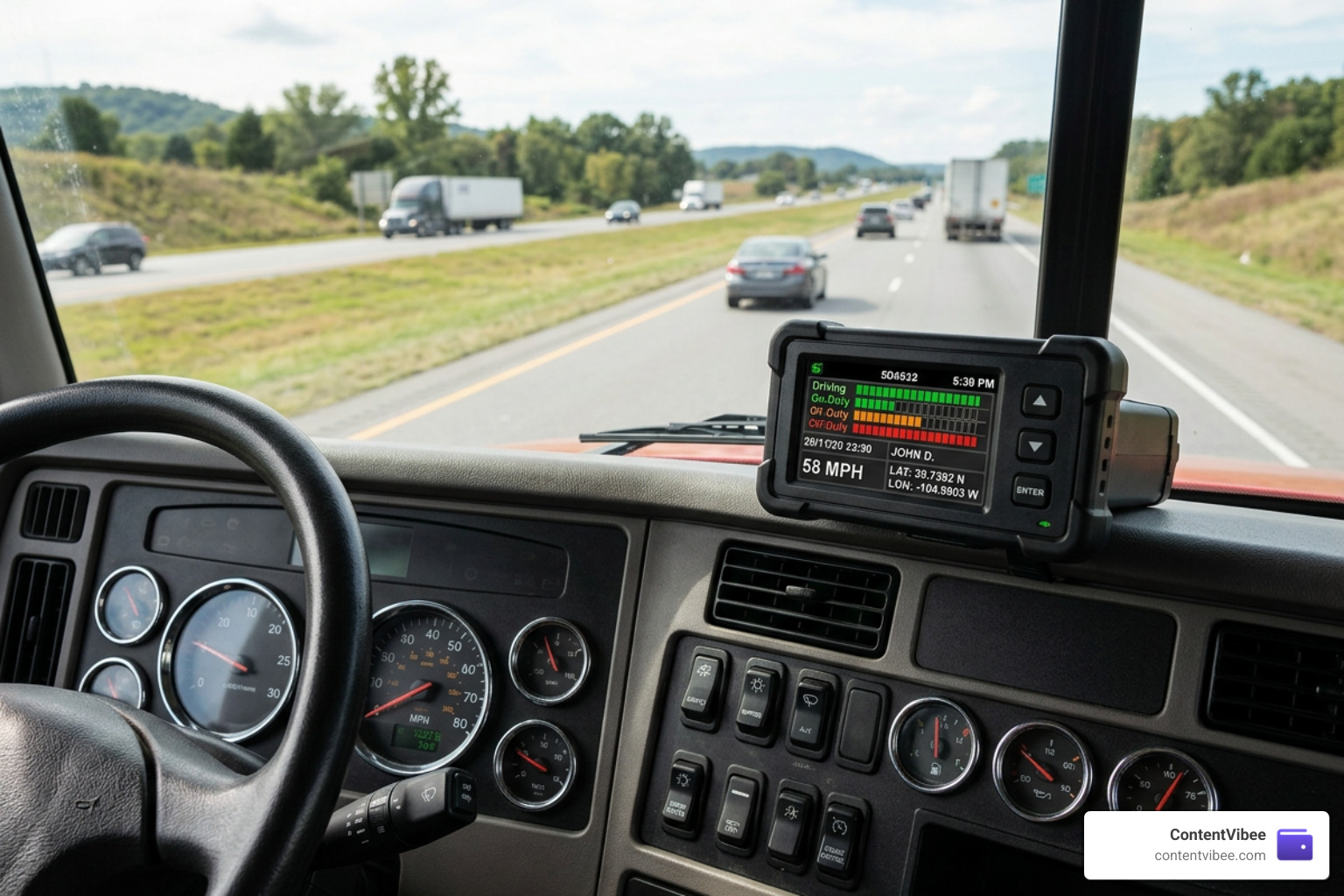
- Overscheduling and Hours-of-Service (HOS) Violations: FMCSA regulations strictly cap commercial drivers at a maximum of 14 consecutive hours on duty, within which they can drive no more than 11 consecutive hours before requiring at least 10 consecutive hours off-duty. Despite these federal rules, motor carriers often set unrealistic delivery windows or assign tight dispatches. Dispatchers who ignore clear signs of driver fatigue or push truckers to violate HOS rules directly contribute to crash risks.
- Negligent Hiring, Supervision, and Retention: Trucking fleets must thoroughly review a candidate’s Commercial Driver’s License (CDL) record, Safety Measurement System (SMS) data, prior drug/alcohol screenings, and employment history before hand-off of a heavy vehicle. Hiring a driver with a documented history of reckless driving, major traffic violations, or severe health disqualifications constitutes direct corporate negligence.
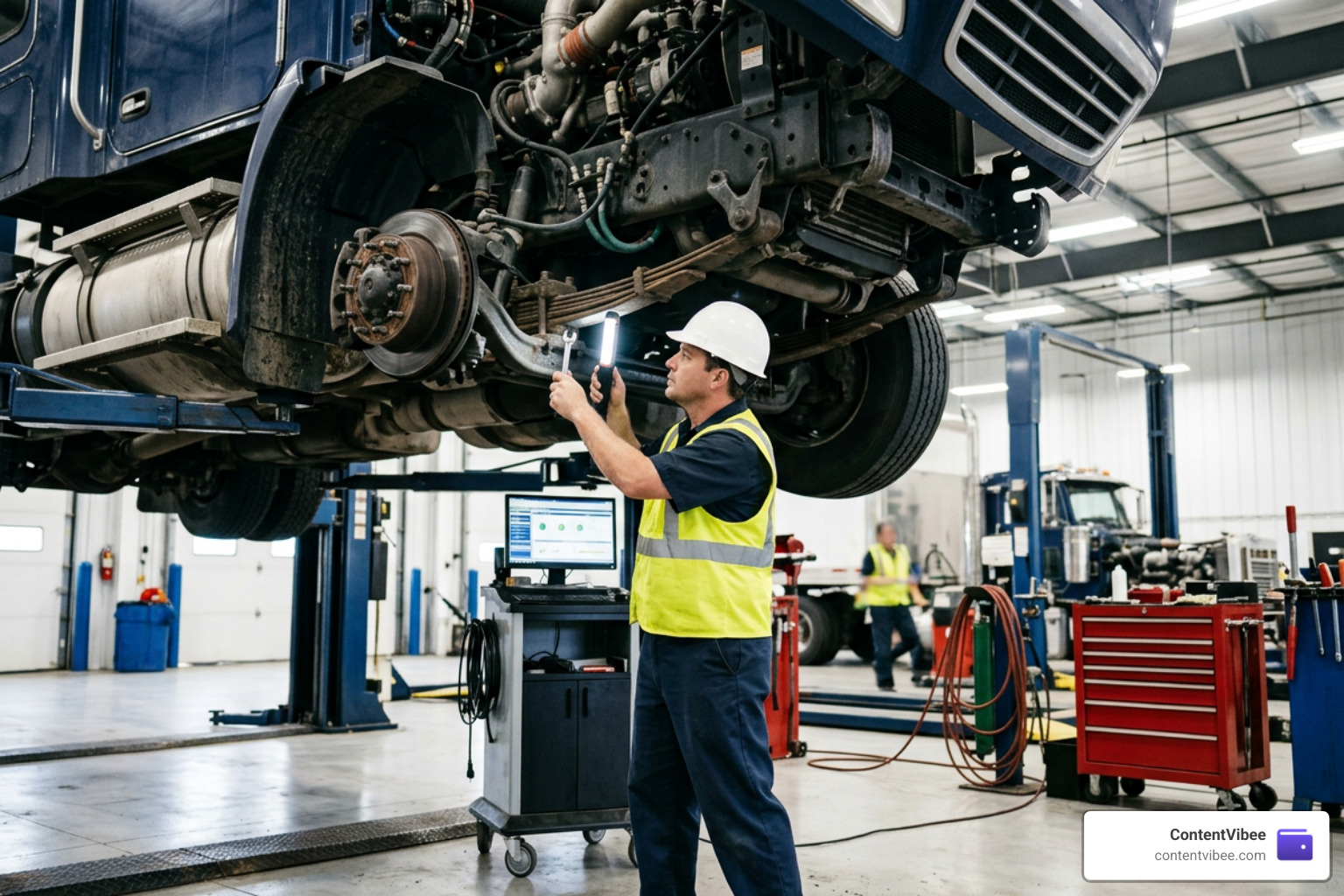
- Fleet Maintenance Failures and Mechanical Defects: Commercial trucks require continuous inspection and preventive maintenance. Under 49 CFR Part 396, carriers must maintain systematic inspection records for every vehicle in their fleet. Skimping on brake inspections, operating with worn tire treads, or ignoring mechanical fault codes frequently leads to catastrophic mechanical failures on high-speed interstate corridors.
- Improper Cargo Loading and Weight Limit Violations: Exceeding maximum gross vehicle weight ratings or failing to properly secure heavy freight can lead to severe center-of-gravity shifts. Improperly balanced cargo can cause violent jackknife events, vehicle roll-overs, or loose debris falling directly onto highway lanes. Liability in these instances may extend to third-party logistics firms and cargo loading facilities.
To ensure your rights are protected when dealing with complex corporate entities, learning how to handle a truck accident injury claim without getting steamrolled is an essential step. Victims can also consult a commercial truck accident lawyer to evaluate specific corporate liability vectors.
Critical Evidence Preservation and Freight Broker Liability
Proving direct corporate fault against a multi-million-dollar motor carrier hinges entirely on securing objective, unalterable digital records. Unlike standard automobile crashes where physical evidence is limited to scene photos and police reports, modern commercial transportation leaves a vast digital paper trail.
The Critical Evidence Clock: Why Speed is Paramount
Commercial trucking fleets deploy rapid-response defense teams to crash scenes within hours of an incident to protect their legal interests. Meanwhile, the vital electronic and physical evidence needed to establish company liability is subject to strict federal document retention timelines—after which records can legally be purged or overwritten.
To prevent the destruction or automatic overwriting of key digital proof, an attorney must immediately draft and serve a formal spoliation letter. This legally binding demand obligates the carrier, its insurers, and connected logistics entities to preserve:
- Electronic Logging Device (ELD) & Engine Control Module (ECM) Data: The truck’s “black box” records vital telemetry, including speed prior to impact, brake application, engine RPM, throttle position, and continuous HOS compliance data.
- Dash Camera Footage: Forward-facing and cab-facing digital video recordings capturing driver behavior, road conditions, and collision sequences.
- Telematics and Mobile App Data: Real-time cellular tracking, digital dispatch logs, and messaging streams between dispatchers and drivers.
- Maintenance and Driver Qualification Files: Complete historical records of pre-trip Driver Vehicle Inspection Reports (DVIR), mechanic repair invoices, brake inspection logs, drug testing records, and initial background vetting paperwork.
For a detailed walkthrough of evidence preservation protocols, review our guide on everything you need to know about filing a semi truck accident claim.
Freight Broker Liability Post-Supreme Court Rulings
For decades, third-party freight brokers (logistics companies that match shippers with motor carriers) shielded themselves from personal injury lawsuits by claiming immunity under the Federal Aviation Administration Authorization Act (FAAAA), 49 U.S.C. § 14501(c). Brokers argued that state-law personal injury claims were federally preempted.
However, landmark litigation—culminating in key appellate and Supreme Court jurisprudence such as Montgomery v. Caribe Transport II—has shifted the legal landscape. Courts have clarified that the FAAAA’s express “safety exception” preserves state tort law authority over motor vehicle safety claims. As analyzed in deep-dive legal reviews on Supreme Court freight broker liability, freight brokers can now be held directly liable for negligent carrier selection.
If a broker arranges freight transport with a carrier that has conditional or unsatisfactory FMCSA safety ratings, a history of catastrophic accidents, or inadequate insurance coverage, the broker itself can be sued for independent corporate negligence. This opens up additional commercial insurance policies across the supply chain, which is crucial in catastrophic injury and wrongful death actions.
Proving Corporate Liability and Recovering Full Damages
To succeed in a lawsuit against a trucking company, an injured plaintiff must establish the legal elements of negligence: duty of care, breach of duty, proximate cause, and measurable damages.
Evidentiary Matrix: Driver vs. Corporate Negligence
Proving corporate liability requires contrasting simple operational error with systemic organizational failure:
| Legal Theory | Driver Negligence Evidence | Corporate Negligence Evidence |
|---|---|---|
| Fatigue / Schedule | Cell phone records, driver testimony | ELD raw logs, dispatcher text streams, unrealistic load schedules |
| Vehicle Failure | Pre-trip inspection checklist | Mechanic invoices, skipped maintenance logs, ignored fault codes |
| Incompetence | Traffic citations, crash scene telemetry | Driver Qualification File, background check omissions, lack of training |
| Cargo Instability | Driver cargo check notes | Bills of Lading, loading dock manifests, third-party broker instructions |
Types of Recoverable Damages
Commercial trucking companies are required by federal law (49 CFR § 387.9) to carry substantial public liability insurance—ranging from a minimum of $750,000 for nonhazardous freight up to $5,000,000+ for hazardous materials. When corporate negligence is proven, victims can seek comprehensive financial recovery:
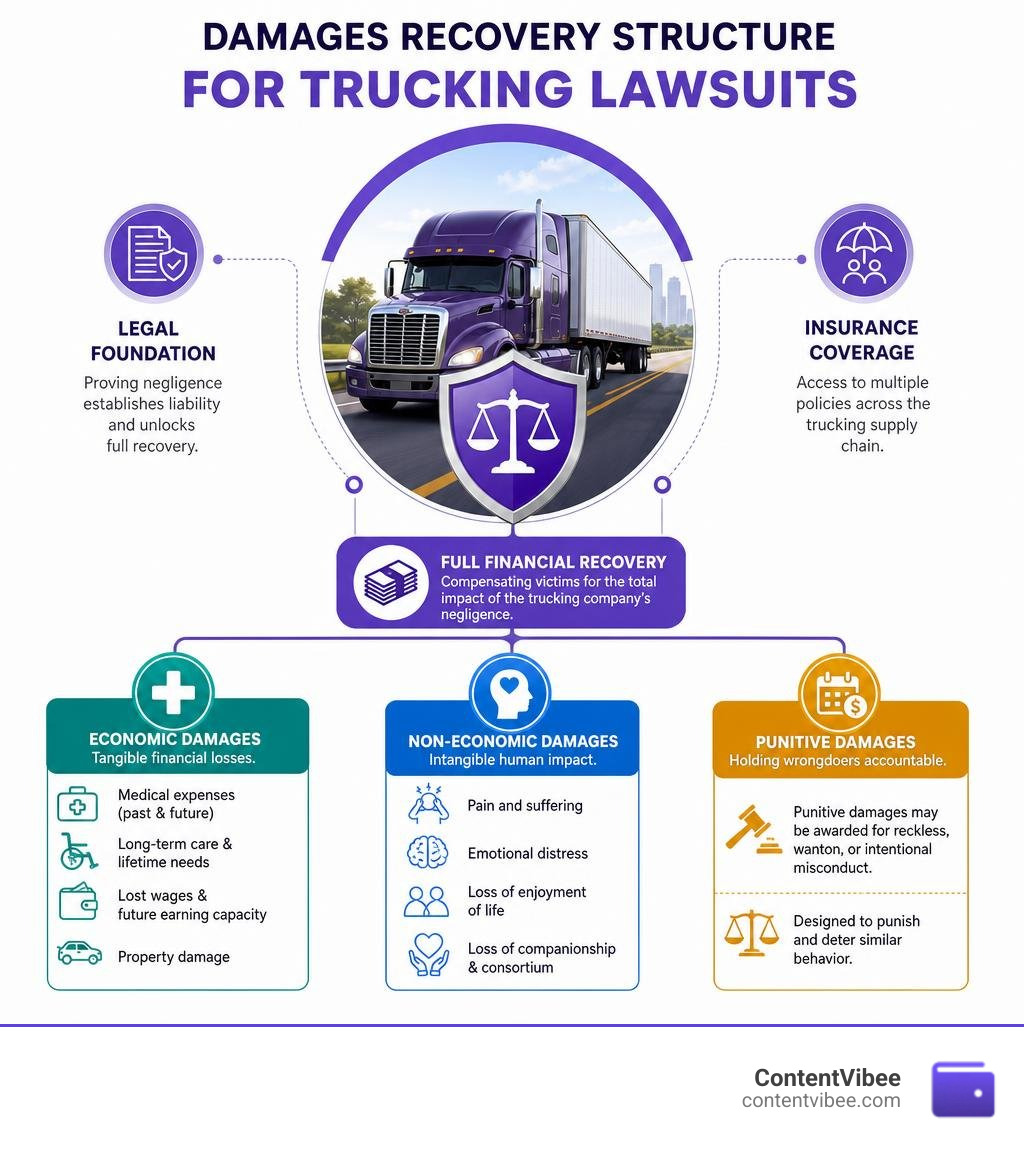
Economic Damages (Tangible Financial Losses):
- Past and future medical expenses (emergency care, surgeries, physical therapy, long-term rehabilitation).
- Lifetime cost modeling for specialized medical care, such as adaptive prosthetics for amputation victims or permanent home modifications.
- Past lost wages and loss of future earning capacity.
- Property damage (vehicle replacement or total loss valuation).
Non-Economic Damages (Human Impact):
- Physical pain and suffering.
- Profound emotional distress, anxiety, and post-traumatic stress (PTSD).
- Loss of enjoyment of life and inability to participate in daily activities.
- Loss of consortium (damage to spousal relationships and family companionship).
Punitive Damages (Exemplary Damages): In cases involving extreme, willful recklessness—such as a motor carrier intentionally forcing drivers to bypass safety checks, falsify ELD logs, or operate vehicles with known broken braking systems—courts may award punitive damages to punish the company and deter future corporate misconduct.
Wrongful Death Damages: When commercial truck crashes result in loss of life, surviving family members can pursue wrongful death actions to recover funeral expenses, lost financial support, and loss of parental guidance or spousal fellowship.
Navigating Procedural Deadlines and Comparative Negligence
The window to file a lawsuit against a trucking company is dictated by state-specific statutes of limitations. For example, in states like Pennsylvania (Pa. C.S.A. § 5524) and Texas, personal injury and wrongful death actions must generally be formally filed within two years of the incident date.
Furthermore, state fault rules—such as comparative negligence—play a major role. In modified comparative fault states, an injured party’s financial recovery is reduced by their percentage of fault, and barred entirely if their fault exceeds 50% or 51%. In pure comparative fault states like California, victims can recover damages even if partially at fault, proportional to the remaining liability of the defendants.
To understand how these legal rules apply throughout a case, explore our guide on how a truck accident injury lawsuit works from claim to settlement.
Retaining a Trucking Company Liability Lawyer for Your Case
Commercial truck collisions cannot be treated like standard passenger car accidents. Motor carriers and their commercial insurers maintain dedicated legal defense networks, risk managers, and accident reconstructionists whose sole goal is to limit corporate liability.
Why General Personal Injury Attorneys Fall Short in Trucking Cases
A general personal injury attorney routinely handles passenger car insurance claims, which rely primarily on police crash reports and basic auto policy negotiations. Conversely, a seasoned trucking company liability lawyer possesses specialized knowledge of federal safety regulations, complex corporate supply chain structures, telematics data extraction, and multi-tier insurance policies (including MCS-90 endorsements).
To effectively match the defense capabilities of national transportation carriers, specialized attorneys deploy 24/7 rapid response units. These units consist of independent accident reconstruction specialists, biomechanical engineers, and commercial vehicle safety inspectors who immediately analyze skid marks, debris fields, vehicle impact angles, and mechanical component failures.
Qualities of an Experienced Trucking Company Liability Lawyer
When selecting legal representation for a commercial vehicle claim, victims should verify specific professional qualifications:
- Board Certification: Look for attorneys who are Board Certified Specialists in Truck Accident Law by the National Board of Trial Advocacy (NBTA). This rigorous certification demands proven trial experience, extensive peer review, and demonstrated expertise in commercial transportation law.
- Federal Court Experience: Because interstate commercial trucking cases frequently involve diversity jurisdiction and federal regulatory interpretations, your attorney should have deep trial experience in federal district courts.
- Proven Multi-Party Recovery Track Record: Your lawyer must have a history of successfully identifying and litigating claims against all responsible parties in the supply chain—including freight brokers, third-party maintenance contractors, and commercial cargo loaders.
For additional strategies on vetting legal representation, read our comprehensive resource on finding the best truck accident attorney when you need one most. You can also review the backgrounds of credentialed specialists, such as those verified through board certified truck law specialists.
Can Commercial Drivers Hire a Trucking Company Liability Lawyer?
Yes. Commercial CDL drivers who are injured on the job frequently require specialized legal representation. If a professional truck driver is injured due to another motorist’s negligence, improper loading by a third-party dock crew, or a mechanical component failure caused by a third-party maintenance shop, they can pursue a personal injury claim beyond standard workers’ compensation benefits.
Furthermore, commercial drivers are protected under federal employment law. The Surface Transportation Assistance Act (STAA) guards commercial drivers against employer retaliation, discipline, or wrongful termination if they refuse to operate an unsafe vehicle or report safety violations. If a motor carrier pressures a driver to violate HOS rules or operate defective equipment, a trucking lawyer can protect the driver’s CDL, livelihood, and statutory whistleblower rights.
Frequently Asked Questions About Commercial Trucking Claims
What is the statute of limitations for filing a lawsuit against a trucking company?
Statutes of limitations vary by state law. In many states, such as Pennsylvania and Texas, the deadline to file a personal injury or wrongful death lawsuit is two years from the date of the collision. However, if the crash involved a government-owned commercial vehicle or municipal fleet, mandatory administrative notice deadlines can be as short as six months. It is vital to consult counsel immediately to avoid forfeiting your rights.
How does the Supreme Court ruling impact freight broker liability?
The Supreme Court’s decisions regarding the FAAAA safety exception (49 U.S.C. § 14501(c)) confirm that federal law does not preempt state tort claims against freight brokers. Plaintiffs can hold third-party logistics brokers financially accountable if the broker acted negligently by selecting an unsafe, under-insured, or unrated motor carrier to transport goods.
How quickly must evidence be secured after a commercial vehicle crash?
Critical digital evidence must be secured immediately. Electronic Logging Device (ELD) data can overwrite in as few as 8 days, while driver vehicle inspection reports (DVIR) are only required to be retained by carriers for 90 days under 49 CFR § 396.11. Issuing a formal spoliation letter within days of the crash is necessary to preserve black box telemetry, video recordings, and dispatch logs.
Conclusion
Commercial truck crashes involve far more than a simple clash of vehicles on a highway—they represent a high-stakes intersection of federal regulations, complex corporate structures, and massive corporate defense operations. Establishing true liability requires looking beyond driver error to expose systemic corporate negligence, including forced driver fatigue, poor fleet maintenance, reckless hiring practices, and negligent freight broker selection.
Because key digital evidence like ELD logs and black box recordings face rapid overwrite cycles, taking fast action is the most effective way to protect your claim. Partnering with a skilled trucking company liability lawyer ensures that critical evidence is preserved, every entity in the commercial supply chain is held accountable, and your family receives full compensation for your injuries.
To learn more about navigating complex commercial vehicle claims, explore our extensive pillar guide: Commercial Vehicle Accident Lawyers Complete Guide.


