


Fidelity Cost Transparency Review: Is the $0 Commission Model Truly Clear?
A Fidelity cost transparency review in 2026 reveals a brokerage that is largely upfront about its pricing — but with a few important details that retirement investors should know before diving in.
Quick answer for retirees evaluating Fidelity’s fee transparency:
| Fee Type | Fidelity’s Cost | Transparency Level |
|---|---|---|
| Stock & ETF trades | $0 commission | Very clear |
| Options contracts | $0.65 per contract | Clear, but easy to miss |
| Zero expense ratio funds | 0.00% (FZROX, FNILX, etc.) | Clear — but proprietary indices |
| Fidelity Go (under $25K) | $0 advisory fee | Very clear |
| Fidelity Go (over $25K) | 0.35% annually | Clear |
| Wealth Management | 0.50%–1.50% annually | Disclosed, but complex |
| Secondary bond trading | $1 per bond | Disclosed |
| Crypto spreads | ~1% spread | Less obvious |
| Infrastructure/revenue sharing fees | Varies | Least transparent |
| Account minimums & maintenance | $0 | Very clear |
Fidelity scores well on the basics. No account fees. No minimums. $0 commissions on U.S. stocks and ETFs. And uniquely, it offers four index funds with a literal 0.00% expense ratio — something no other major broker matches.
But “zero” doesn’t tell the whole story.
There are indirect costs — like revenue sharing arrangements, crypto spreads, and bond markups — that are harder to spot. And Fidelity has faced real regulatory scrutiny, including a $900,000 FINRA fine in 2023 and a $600,000 fine in 2025, plus lawsuits over undisclosed fees in retirement plan accounts.
For retirees especially, understanding every layer of cost matters. A fee that looks invisible today can quietly erode decades of savings.
When we look at the surface of Fidelity’s pricing, it’s hard not to be impressed. For most of us, the days of paying $7.00 or $10.00 every time we buy a stock are long gone. Fidelity has leaned heavily into the “zero” movement, offering $0 commissions for online U.S. stock, ETF, and options trades.
However, as we dig deeper into this Fidelity cost transparency review, we find that “zero” has a few neighbors. While the trade itself costs nothing, options contracts still carry a $0.65 per-contract fee. If you are an active trader moving 100 contracts at a time, that “zero commission” trade actually costs you $65.00.
Secondary bond trading is another area where the pricing is straightforward but not free. Fidelity charges $1 per bond for secondary market transactions, though they are quick to point out that their model offers an average savings of $15 per bond compared to industry averages. This level of disclosure is generally high, as noted in the Fidelity Investments Review 2026: Fees, Features & Performance | Zogby , which highlights that 67% of clients find their fees “very” or “extremely” transparent.
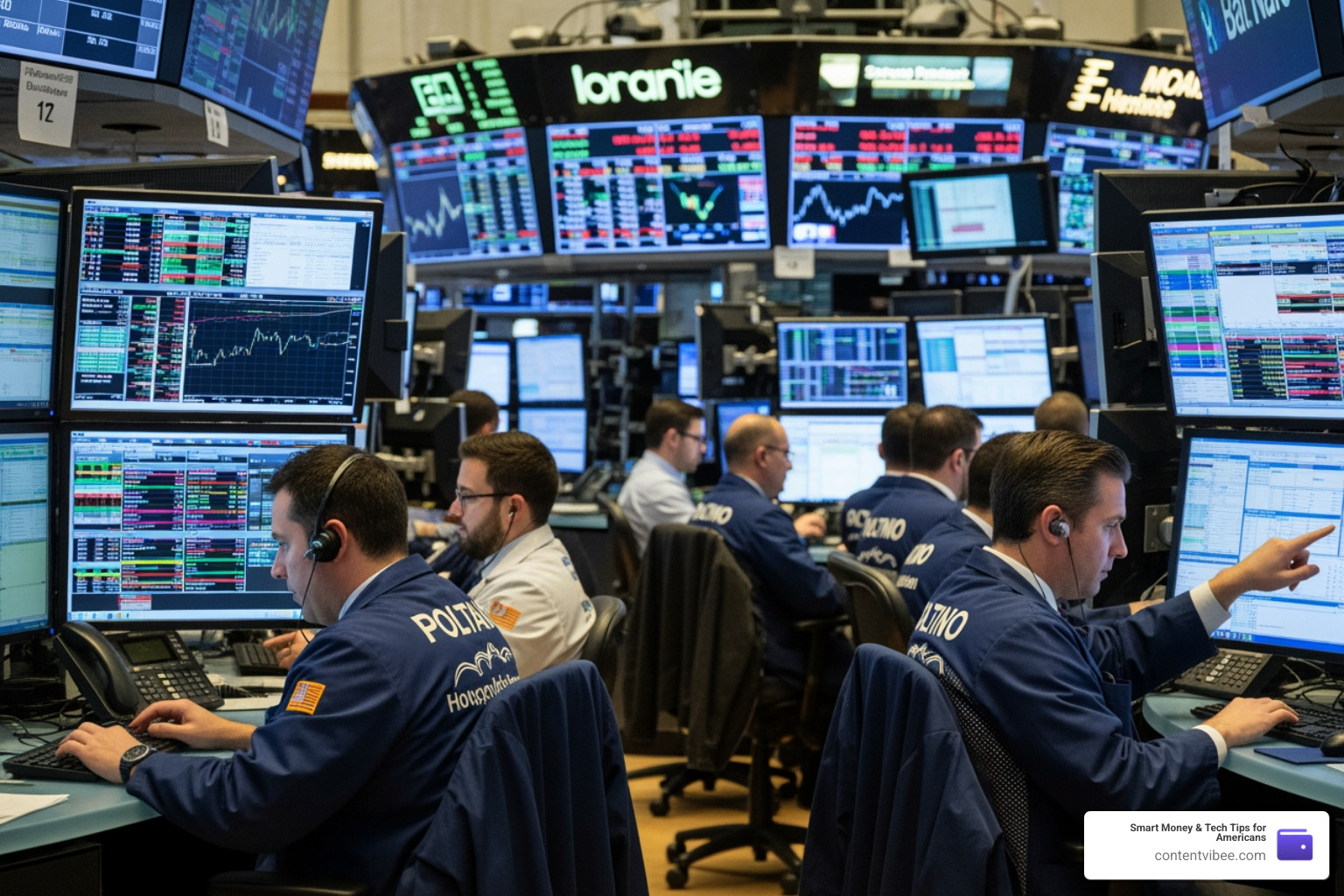
For those managing their own portfolios, it’s also worth looking into more info about brokerage firm investment fees to see how these small contract fees compare to the broader market. Overall, Fidelity’s core trading costs are some of the most competitive in the industry, and they are one of the few major firms that refuses to accept “Payment for Order Flow” (PFOF) on equity trades, which can lead to better price execution for you.
The Reality of “Zero”: Expense Ratios and Advisory Costs
Fidelity made waves in the investing world by launching the industry’s first “Zero” funds. These include popular options like the Fidelity ZERO Total Market Index Fund (FZROX) and the Fidelity ZERO Large Cap Index Fund (FNILX).
These funds have a 0.00% expense ratio. That means every dollar you invest goes toward the investment, not toward paying the fund manager. But there is a small “catch” in terms of transparency. To keep these funds free, Fidelity uses proprietary indices rather than paying licensing fees to companies like S&P or MSCI. Furthermore, these funds are generally non-transferable. If you decide to leave Fidelity, you’ll likely have to sell these funds (potentially triggering taxes) rather than moving them “in-kind” to another broker.
When we pivot to managed services, the transparency remains high, though the costs increase.
- Fidelity Go: This robo-advisor service charges $0 for balances under $25,000. Once you hit that threshold, the fee is a flat 0.35% annually.
- Wealth Management: For investors seeking more personalized help, fees typically range from 0.50% to 1.50%.
- Private Wealth Management: For high-net-worth individuals, fees can range from 0.20% to 1.04% depending on the asset level.
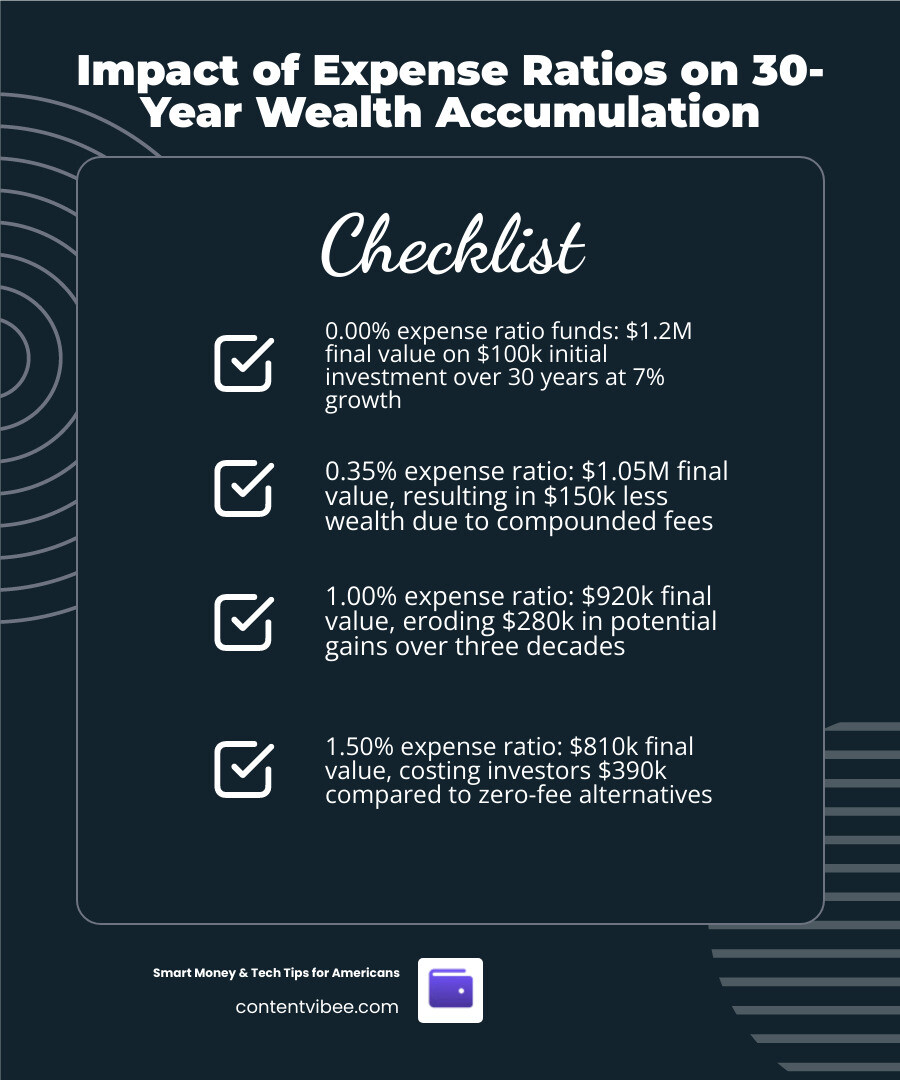
You can find more info about Fidelity advisory fees to see the full breakdown of what you get for those percentages. Understanding these wealth management fees is vital because, as our infographic showed earlier, even a 0.35% fee can eat up thousands of dollars in potential growth over a 30-year retirement horizon. For more details, visit Straightforward and Transparent Pricing – Fidelity Investments .
Identifying Indirect Costs in a Fidelity Cost Transparency Review
Hidden Fees and Revenue Sharing
While the headline numbers at Fidelity are great, our Fidelity cost transparency review must address the “hidden” side of the ledger. One of the most controversial areas involves “infrastructure fees” and revenue sharing.
In recent years, Fidelity has faced litigation alleging that it charged “infrastructure fees” to mutual fund companies for the privilege of being included on their retirement plan menus. Critics and lawsuits have argued that these fees are essentially a way to recover revenue lost from $0 commissions, and that these costs are indirectly passed to investors through higher fund expenses.
If you are trading cryptocurrency, transparency takes another hit. While Fidelity offers Bitcoin and Ethereum, they don’t charge a flat commission. Instead, they charge a “spread” of approximately 1%. This is often less transparent than a flat fee because the cost is “baked into” the price you pay for the coin. For a deeper dive into how these costs stack up, check out more info about fee comparisons.
Evaluating Fidelity Cost Transparency Review Metrics
Fidelity’s reputation for transparency isn’t perfect. In 2023, FINRA fined Fidelity $900,000 for failing to have an adequate options approval system. More recently, in 2025, they were fined another $600,000 for oversight issues related to employee misconduct.
Despite these regulatory hiccups, customer satisfaction remains incredibly high. In a 2025 survey, 92% of Fidelity customers reported being satisfied, with 59% specifically citing low fees as their primary reason for staying. Fidelity also prides itself on “Price Improvement.” They claim to save investors an average of $18.52 per 1,000 shares traded by routing orders to seek the best possible price rather than taking kickbacks from market makers. You can use tools to verify these claims by looking at more info about investment calculator accuracy.
Comparing Value: Fidelity vs. Industry Standards
How does Fidelity stack up against the other “Big Three” (Schwab and Vanguard)? In 2026, the competition is fierce, but Fidelity holds a unique middle ground.
| Feature | Fidelity | Industry Peers |
|---|---|---|
| Account Minimum | $0 | Usually $0 – $1,000 |
| Default Cash Sweep | ~3.29% (SPAXX) | 0.05% – 3.64% |
| Fractional Shares | Yes (starting at $1) | Varies |
| Zero-Fee Funds | Yes (4 options) | Rare/None |
| IRA Closeout Fee | $0 | Often $50 – $100 |
One of Fidelity’s biggest “hidden” wins is the default cash sweep. At some competitors, your uninvested cash sits in a bank sweep earning almost nothing (0.05%). Fidelity automatically sweeps your cash into a money market fund like SPAXX, which in early 2026 was yielding over 3%. On a $100,000 cash balance, that’s the difference between earning $50 a year and over $3,200.
Fidelity is also a leader in fractional shares, allowing you to buy into expensive stocks with as little as $1. This makes choosing the right investment portfolio much easier for beginners or those on a strict budget. For more objective comparisons, see how U.S. News Reviews Fidelity in 2026 .
Frequently Asked Questions about Fidelity Costs
Does Fidelity charge a fee to open or maintain a retail brokerage account?
No. One of the strongest points in any Fidelity cost transparency review is the lack of “nuisance” fees. There are $0 account fees and no minimums required to open or maintain a standard retail brokerage account or an IRA. They even waive the common “transfer out” or “closeout” fees that other brokers charge when you move your money elsewhere.
What is the “catch” with Fidelity’s zero-expense-ratio index funds?
The “catch” is twofold: proprietary indices and portability. Because these funds (like FZROX) track Fidelity’s own internal indices, they might perform slightly differently than a standard S&P 500 fund. Additionally, you cannot move these funds to another brokerage. If you ever want to leave Fidelity, you must sell the funds, which could result in a tax bill if they have grown in value.
How does Fidelity maintain transparency regarding its advisory fees?
Fidelity uses a tiered, published structure. For the Fidelity Go robo-advisor, the fee is $0 for accounts under $25,000 and 0.35% for everything above that. For human-led wealth management, they provide a “Gross Advisory Fee” range (0.50%–1.50%) and provide a personalized fee estimate before you sign any agreements.
Conclusion
At Smart Money & Tech Tips for Americans, we believe that transparency is the bedrock of a good financial relationship. Our Fidelity cost transparency review finds that while no brokerage is 100% “free,” Fidelity is among the most honest about where your money goes.
The combination of $0 commissions, industry-leading 0.00% expense ratio funds, and a high-yield default cash sweep makes them a powerhouse for long-term investors. While you should keep an eye on crypto spreads and the indirect costs of managed accounts, Fidelity’s lack of account fees and commitment to price improvement sets a high bar for the industry.
If you’re looking to maximize your retirement savings, we recommend doing a Fidelity Investments fees comparison against your current provider. You might find that those “invisible” fees you’re paying elsewhere are costing you more than you think. In 2026 investing, Fidelity remains a “no-regret” choice for the vast majority of American savers.


