


More Seniors Are Working in Retirement — and Here’s Why It Makes Sense
Looking for the best retirement jobs for seniors? Here’s a quick overview of top options to consider:
| Job Type | Flexible? | Remote? | Avg. Pay |
|---|---|---|---|
| RN Care Manager | Yes | Yes | $40–$60/hr |
| Customer Service Rep | Yes | Yes | $17–$22/hr |
| Tutor | Yes | Hybrid | $13–$42/hr |
| Tour Guide | Seasonal | No | ~$40/hr |
| Pet Sitter / Dog Walker | Yes | No | $17–$26/hr |
| Consultant | Yes | Yes | Varies |
| Library Assistant | Yes | No | Varies |
| Substitute Teacher | Yes | No | $31–$50K/yr |
Retirement used to mean a full stop. Not anymore.
In 2024, 19.5% of Americans aged 65 and older were working or actively looking for work — nearly double the rate from 1985. And among those planning to retire at 70 or later, more than half expect to keep working in some form.
This isn’t a sign that retirement is broken. For many people, it’s a choice.
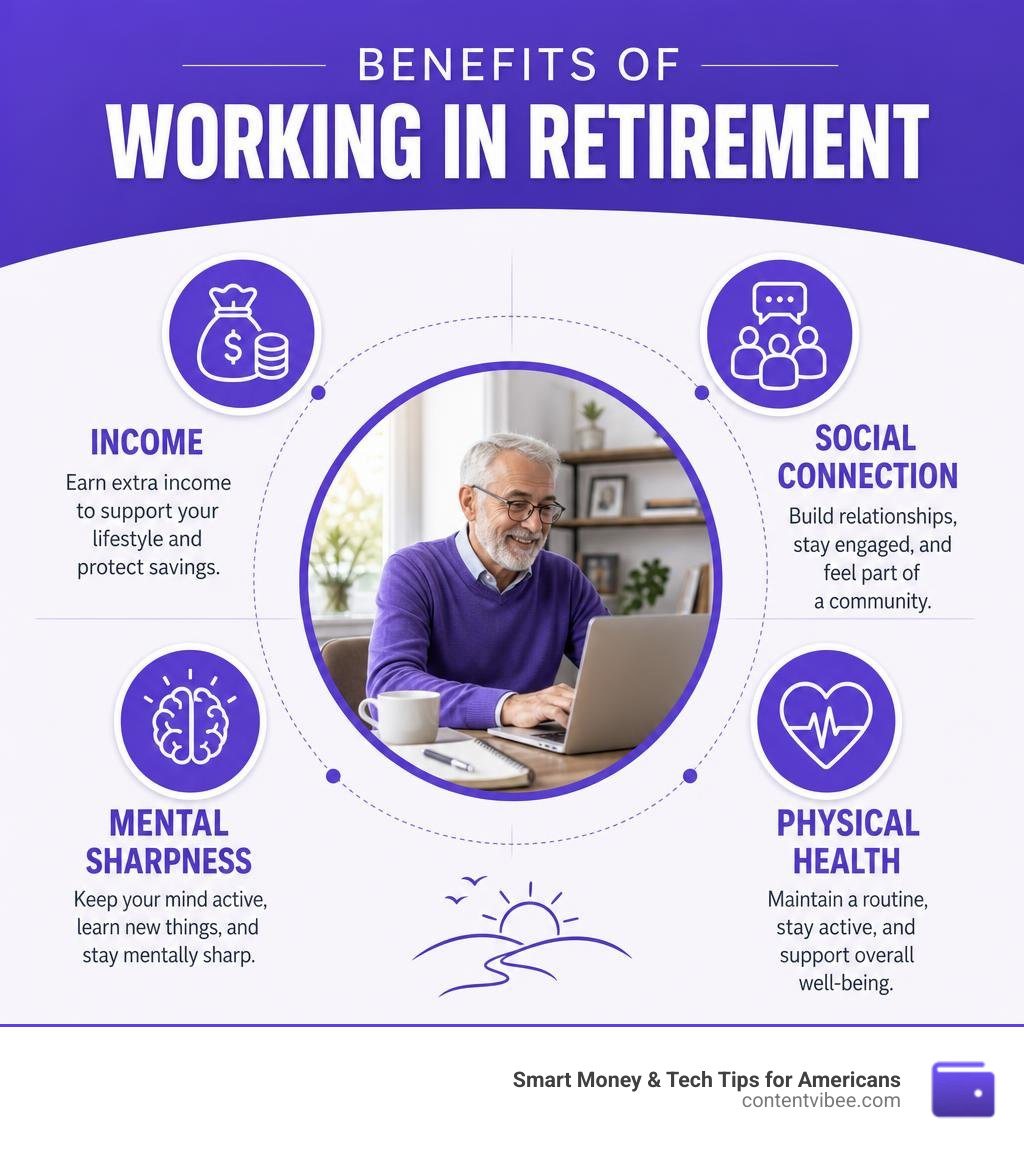
Working part-time in retirement can mean:
- Extra income to cover rising costs and protect savings
- Social connection to replace the daily structure of full-time work
- Mental and physical sharpness that keeps you feeling younger, longer
Whether you need the income or simply want to stay engaged, there are more good options than ever — including remote roles, seasonal gigs, and flexible community-based jobs that fit around your health, your schedule, and your life.
Why Seniors are Choosing to Work in 2026
As we navigate June 2026, the landscape of retirement looks vastly different than it did for previous generations. The traditional model of working for 40 years, receiving a gold watch, and completely stepping away from the workforce has largely been replaced by what experts call “phased retirement” or “unretirement.”
The shift is driven by a combination of financial necessity and a desire for an active lifestyle. First, let’s address the financial realities. The “death of the pension” means most modern workers rely on 401(k) plans and personal savings, which are highly vulnerable to stock market fluctuations and rising inflation. Longer lifespans mean our savings must stretch over 20, 30, or even 40 years. To determine how much you actually need to have tucked away, using a Retirement Calculator Estimate Savings Needed is an essential starting point.
Additionally, location matters. For example, if you reside in a high-cost area, you might wonder When Can You Stop Working And Retire In California, where state taxes and living expenses demand a more robust financial cushion. Working a part-time job allows retirees to leave their core nest egg untouched for longer, allowing compound interest to keep working its magic.
But money is only half the story. Many seniors choose to work because they want to. Stepping away from a 40-hour workweek can leave a surprising void. Work provides a natural routine, physical movement, and cognitive exercise. More importantly, it offers social engagement. Isolation is a significant health risk for older adults, and a low-stress part-time job provides a built-in community of coworkers and customers.
Working in retirement in 2026 is about balance. It’s about finding a role that offers the perks of employment—purpose, structure, and extra cash—without the stressful deadlines, long commutes, and corporate politics of your primary career.
Top Remote and Flexible Retirement Jobs for Seniors
For many retirees, the commute from the bedroom to the home office is the absolute maximum distance they are willing to travel. Fortunately, the rise of remote work has opened up incredible opportunities for older adults. You can leverage your decades of professional experience or explore entirely new fields, all while sitting in a comfortable chair with your favorite mug of coffee.

Remote work offers unparalleled flexibility. If you want to take a three-week trip to visit the grandkids, or if you simply have a doctor’s appointment on a Tuesday morning, remote roles often allow you to build work around your life, rather than the other way around.
Remote Healthcare and Care Coordination Roles
The healthcare sector has embraced remote operations, creating highly rewarding positions for retired healthcare professionals or those with strong administrative backgrounds.
If you are a retired nurse looking to step away from the physical demands of the hospital floor, working as a Remote RN Care Manager – Geriatric Care Coordination is an exceptional option. Paying between $40 and $60 per hour, these roles focus on helping aging adults navigate their care plans, coordinating with doctors, and ensuring patients have what they need to manage chronic conditions at home. It is a burnout-free way to use your hard-earned clinical expertise to make a genuine difference.
For those without a nursing degree but who possess excellent organizational skills, a role like the Remote Primary Care Coordinator is a great alternative. In this type of position, you serve as the central point of contact for patient care teams, helping schedule appointments, update electronic medical records, and manage communications. It’s a but highly structured role that keeps your administrative skills sharp while supporting senior healthcare.
Remote Customer Support and Database Research
If your background is in administration, retail, or general business, the remote customer experience space is booming with age-friendly roles. Many companies actively seek the patience, empathy, and clear communication skills that older workers naturally bring to the table.
For instance, seasonal opportunities like the Experienced Customer Service Representative – Open Enrollment Support are ideal for retirees. These roles, often paying around $17.31 per hour, focus on helping fellow seniors navigate their prescription drug benefits and Medicare options during the busy fall open enrollment period. It’s a great way to earn extra income during a defined portion of the year without committing to a year-round schedule.
Similarly, you can look for specialized support roles such as the Experienced Customer Experience Associate – Remote Opportunity to Empower Aging Adults, which connects you with older adults using health and wellness platforms, or a Retirement Transition Partner-Fully Remote Part-time role, where you help employees navigate the administrative and emotional steps of transitioning into retirement.
If you prefer research over direct phone support, consider looking for an Experienced Part-Time Database Researcher position. These roles often involve researching transportation options, housing, or mobility resources for seniors, combining database management with meaningful community support.
Low-Stress and Active In-Person Roles
While remote work is highly convenient, some retirees find themselves craving real-world, face-to-face human interaction. If staying at home makes you feel a bit stir-crazy, an in-person, low-stress job might be the perfect fit. These roles get you moving, introduce you to new people, and allow you to contribute directly to your local community.

Outdoor and Seasonal Retirement Jobs for Seniors
If your dream retirement involves spending more time in nature, why not get paid for it? Outdoor and seasonal roles are incredibly popular among active retirees who want to stay physically fit and share their love of the outdoors.
Working at a state or national park is a bucket-list job for many. Through platforms like the Older and Bolder – CoolWorks.com job board, seniors can find seasonal positions in some of the most beautiful places in the country. Roles range from camp hosts and fee collectors to retail staff in park gift shops. Many of these seasonal jobs even provide RV hookups or employee housing, allowing you to live and work in a stunning national park for a season.
If you prefer to stay closer to home, becoming a local tour guide is a fantastic way to utilize your public speaking skills and knowledge of local history. According to the Top 25 Part-Time Jobs for Retirees in 2026 – AARP data, tour guides can earn up to $40 per hour (and sometimes up to $100 per group tour for licensed historical guides). It’s an active, highly social role where you get to meet visitors from all over the world while walking and staying active.
Community and Education-Based Retirement Jobs for Seniors
If you enjoy working with people and want to make a direct impact on the next generation, your local school district, library, or community center is a goldmine of opportunities.
Schools across the country are facing persistent staffing shortages, making substitute teaching and tutoring highly accessible options. Many school districts allow individuals with a bachelor’s degree in any field to obtain emergency substitute certifications. It pays well—often averaging $31,000 to $50,000 per year depending on how many days you choose to work—and gives you complete control over your schedule. You simply accept the days you want to work and decline the ones you don’t.
Tutoring is another excellent, high-flexibility option. Whether you teach English, math, or a specialized subject, tutoring can be done in-person or online, with pay ranging from $13 to over $42 per hour.
For those who prefer a quieter environment, working as a library assistant or museum docent offers a calm, intellectually stimulating workplace. You can also explore formal senior training and employment programs funded by the government, such as those highlighted by the Seniors – U.S. Department of Labor website, which helps low-income older adults transition back into the workforce through community service assignments.
Financial Considerations: Social Security and Taxes
Before you sign an employment contract, it is vital to understand how earning a paycheck will impact your retirement benefits. Working part-time is a great way to boost your cash flow, but if you aren’t careful, Uncle Sam might take a larger bite out of your earnings than you expect.
The most critical factor to watch is the Social Security Earnings Test. If you have already reached your Full Retirement Age (FRA)—which is between 66 and 67 for most people retiring today—you can earn as much as you want with absolutely no reduction in your Social Security benefits.
However, if you claim benefits early (before your FRA) and continue to work, there is a strict limit on how much you can earn.
| Your Age | 2025/2026 Earnings Limit | What Happens If You Exceed It? |
|---|---|---|
| Under Full Retirement Age (FRA) | $23,400 per year | Social Security deducts $1 for every $2 you earn above the limit. |
| The Year You Reach FRA | $62,160 per year | Social Security deducts $1 for every $3 you earn above the limit (only counting months before your FRA). |
| At FRA or Older | No Limit | No deductions. You receive your full benefit regardless of earnings. |
Note: Any benefits withheld because of the earnings test are not lost forever. Once you reach your FRA, Social Security recalculates your monthly benefit upward to account for the months your benefits were withheld.
To navigate these rules successfully, we highly recommend reading A Comprehensive Guide To Social Security Benefits and consulting The Definitive Guide To Social Security Claiming Age. These resources will help you calculate the optimal time to claim your benefits so you don’t accidentally penalize yourself for working.
Additionally, your part-time earnings are subject to federal and state income taxes, as well as FICA (Social Security and Medicare) taxes. If your combined income (adjusted gross income + non-taxable interest + half of your Social Security benefits) exceeds certain thresholds, a portion of your Social Security benefits themselves may become taxable. Keep a close eye on your total income bracket to ensure your part-time job remains financially advantageous!
Frequently Asked Questions about Working in Retirement
To help you make the best decisions for your lifestyle and wallet, we’ve compiled answers to the most common questions seniors ask when returning to work.
How does working part-time affect my Social Security benefits?
As detailed in the section above, it depends entirely on your age. If you are over your Full Retirement Age, working part-time has zero impact on your Social Security check. If you are under your FRA, keeping your earnings under the annual limit (which is $23,400) ensures you receive your full benefit.
Working part-time can also prevent you from drawing down too quickly on your retirement portfolio. When managing your retirement nest egg, we recommend using tools like the Demystifying The 4 Percent Retirement Withdrawal Calculator to see how even a small, consistent part-time income can dramatically extend the lifespan of your personal savings.
What are the best low-stress jobs for retirees with no experience?
If you want a job that doesn’t require specialized training or licensing, three options stand out:
- Pet Sitting or Dog Walking: Using apps like Rover, you can set your own rates and watch pets for busy neighbors. It’s highly flexible, gets you outside walking, and offers the joy of animal companionship without the 15-year commitment of owning a pet.
- Retail Associate at a Low-Key Store: Target local bookstores, boutique gift shops, or garden centers. These environments are typically much calmer than busy big-box department stores and allow you to chat with customers who share your interests.
- House Sitting: Homeowners will pay you to stay in their homes, water their plants, and collect their mail while they travel. It is incredibly low-stress and can even provide free lodging in beautiful vacation destinations.
Where can seniors find age-friendly job listings?
Finding a supportive, age-friendly employer is crucial. Start by exploring the AARP Job Board, which features employers who have signed the AARP Employer Pledge, committing to hiring experienced workers.
If you are a retired government employee, look into local initiatives like the Silver Stars Program (often run by city departments of aging), which places retired public servants into temporary, project-based municipal roles where they can earn income without affecting their city pensions. Local community centers, libraries, and specialized boards like CoolWorks are also excellent starting points.
Conclusion
At ContentVibee, our goal is to provide clear, actionable advice to help you live your best life in retirement. Whether you are looking for retirement jobs for seniors to keep your mind sharp, stay physically active, or simply to give your bank account a comfortable cushion, the options in 2026 are incredibly diverse.
From high-paying remote healthcare coordination to seasonal roles in the great outdoors, you have the power to design a “second act” career that perfectly aligns with your schedule and your passions. Just be sure to plan ahead, keep an eye on tax brackets, and understand how your earnings interact with your retirement benefits.
Curious about how your return to work might affect your household’s overall retirement income? Be sure to read our guide: Are spousal benefits reduced by working in retirement? to ensure your family’s financial strategy remains completely on track.