


Why More Nurses Are Choosing to Work Past Retirement
Nurses working past retirement is one of the fastest-growing trends in American healthcare — and it’s easy to see why.
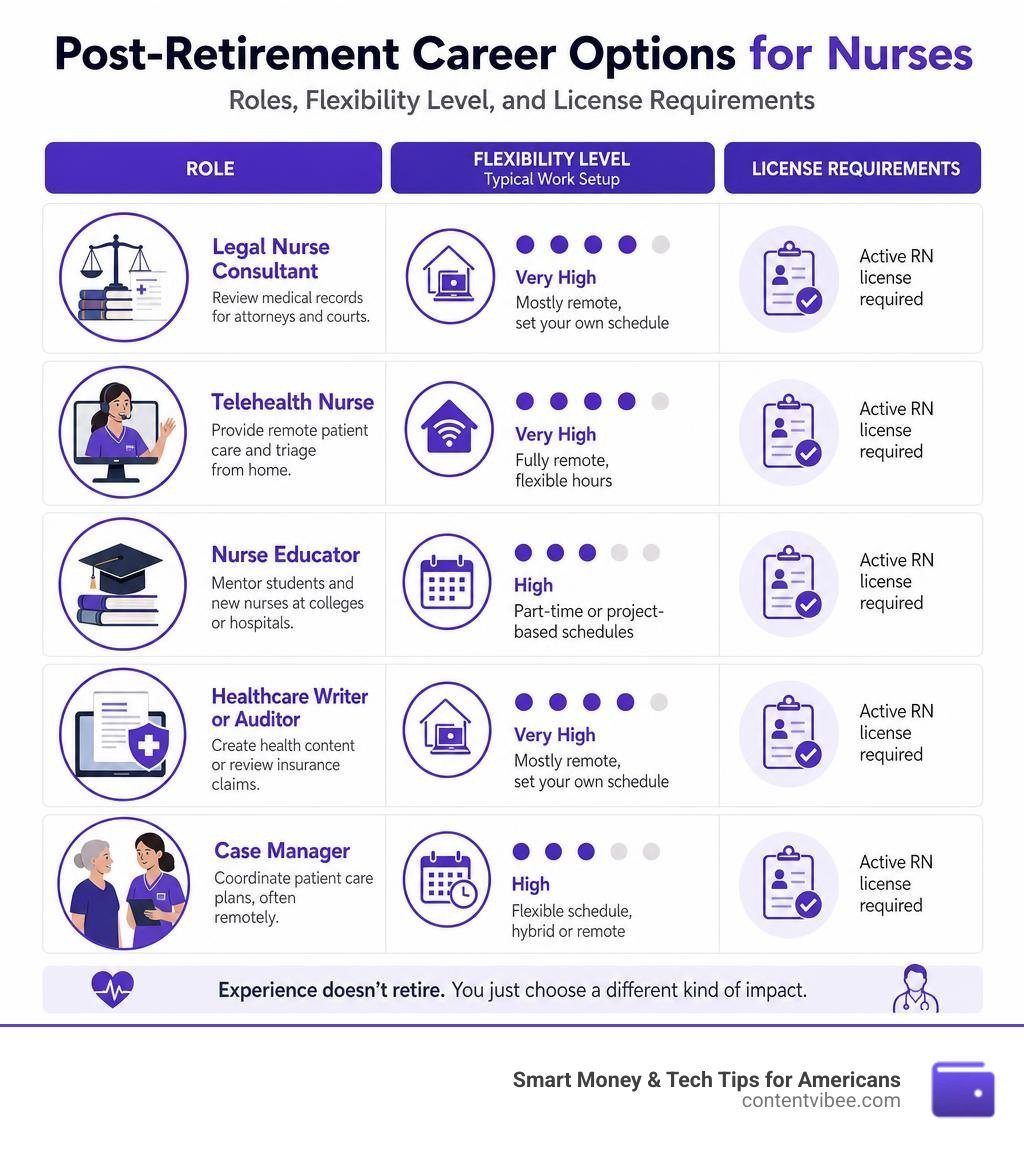
Quick answer: Retired nurses most commonly return to work through flexible, project-based, or consulting roles such as legal nurse consulting, telehealth, nurse education, healthcare writing, and case management. These options let experienced nurses stay active and earn income without the full physical demands of bedside care.
Top post-retirement roles for nurses at a glance:
- Legal Nurse Consultant — reviewing medical records for attorneys and courts
- Telehealth Nurse — providing remote patient care and triage from home
- Nurse Educator — mentoring students and new nurses at colleges or hospitals
- Healthcare Writer or Auditor — creating health content or reviewing insurance claims
- Case Manager — coordinating patient care plans, often remotely
The numbers tell a striking story. About 1 million nurses are expected to retire or seriously consider retirement within the next several years, while the average working U.S. nurse is already 51 years old. That’s a massive wave of experience leaving the workforce — yet many of those nurses aren’t ready to stop entirely.
Some return for financial reasons. Others miss the structure, the patients, or simply the sense of purpose that a 30- or 40-year career builds into your identity. As one retired nurse put it in a nursing forum: “Everyone tells me NO, it’s not the same. I miss my patients.”
The good news? Returning doesn’t have to mean going back to 12-hour shifts on a hospital floor. Today’s options for experienced nurses are more flexible, more diverse, and more rewarding than many retirees realize.
Nurses working past retirement helpful reading:
Why Nurses Working Past Retirement Are in High Demand
The healthcare sector is facing an unprecedented staffing puzzle. With hundreds of thousands of experienced RNs having retired over the last few years, clinical settings are feeling the pinch. This massive departure of talent has created a significant “experience gap.” Newer nurses, many of whom completed their clinical training during highly disrupted, pandemic-era school years, are entering units without the traditional safety net of seasoned colleagues to guide them.
This is where nurses working past retirement become invaluable. They hold the institutional knowledge, clinical intuition, and calm-under-pressure attitudes that simply cannot be taught in a classroom. When a retired nurse returns to a healthcare system, they aren’t just filling a shift; they are raising the baseline level of safety and competence for the entire floor.
Furthermore, data consistently shows that having seasoned professionals on staff directly correlates with better patient outcomes, fewer medication errors, and higher patient satisfaction scores. If you are a retired nurse considering a return, know this: healthcare employers do not just want you—they desperately need you. You can read more about this shift in our guide on Not Ready for the Rocking Chair: Why Seniors Are Staying in the Workforce.
The Transferable Skills of Nurses Working Past Retirement
Decades at the bedside build a highly specialized toolkit of transferable skills that are worth their weight in gold outside the traditional hospital ward. These skills include:
- Critical Thinking and Triage: The ability to look at a complex, chaotic situation, instantly spot the highest-priority issue, and execute a plan.
- Expert Communication: Translating dense, terrifying medical jargon into warm, understandable language for patients and their families.
- Impeccable Teamwork: Knowing how to collaborate with doctors, therapists, administrative staff, and families to achieve a single goal.
- Deep Clinical Expertise: Recognizing subtle changes in a patient’s condition long before an electronic monitor sounds an alarm.
These skills mean that retired nurses don’t have to limit themselves to direct, hands-on patient care. They are uniquely qualified for roles in legal consulting, corporate wellness, insurance auditing, and educational design.
Financial and Emotional Motivations for Nurses Working Past Retirement
While some nurses return to work to bolster their retirement portfolios, many are driven by powerful emotional and social motivations.
After 30 or 40 years of a high-intensity, deeply social career, sudden and complete retirement can feel like hitting a brick wall. Many retirees experience a sense of identity loss, boredom, or isolation. Returning to work—even for just a few hours a week—restores a daily routine, provides mental stimulation, and offers a vibrant social outlet.
Of course, the financial benefits are nothing to sneeze at either. Even with careful planning, healthcare costs in retirement can be surprisingly high. Vanguard projects that an average 65-year-old woman should plan to spend about $5,200 annually out-of-pocket on healthcare alone (excluding long-term care). Working a flexible post-retirement job can easily cover these expenses without forcing you to dip into your core retirement savings. Discover more about these benefits in our article on the Surprising Perks of Keeping Your Day Job in Your Golden Years.
Top Project-Based and Consulting Roles for Retired Nurses
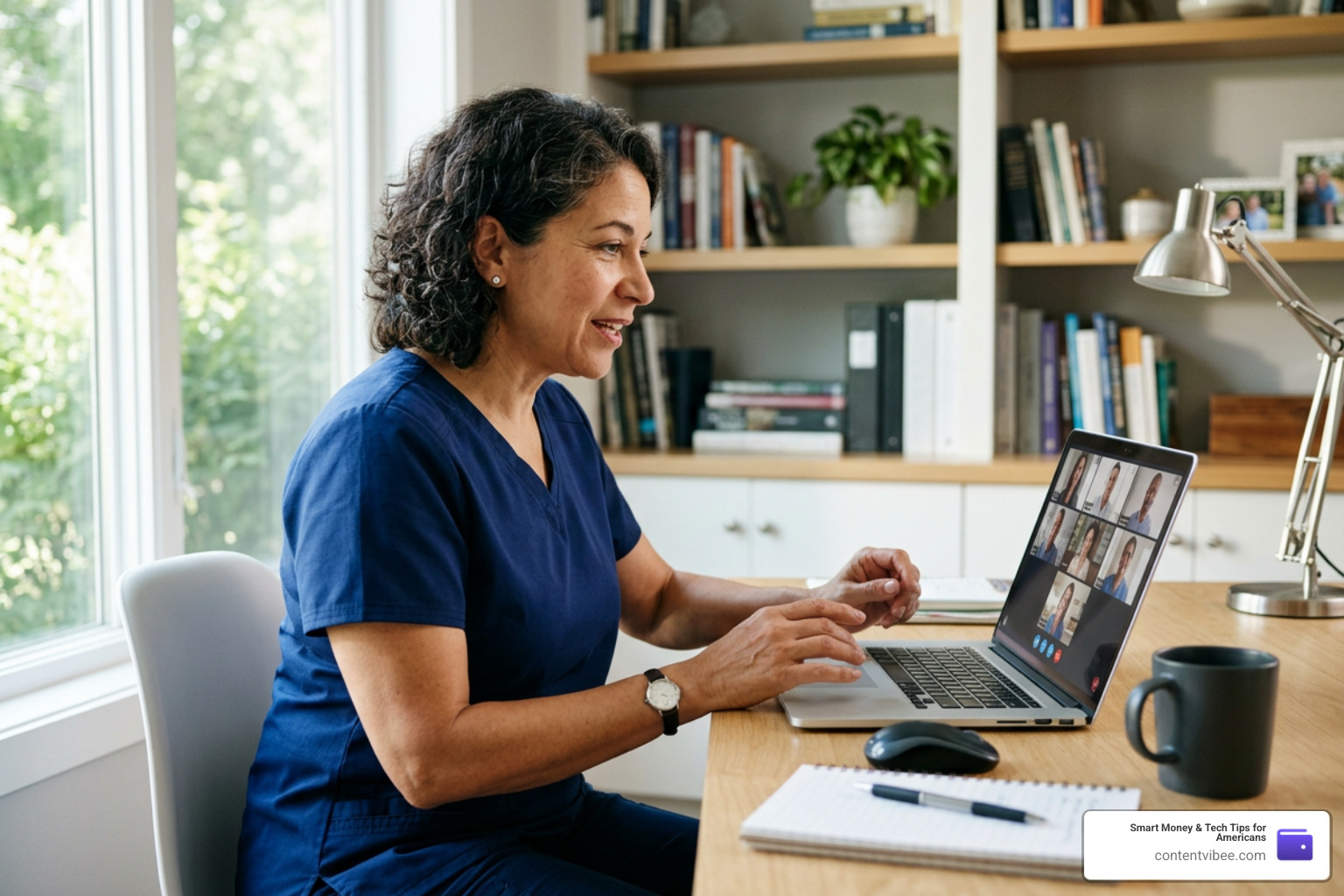
If you want to keep using your nursing license but are ready to ditch the physical toll of bedside care, project-based and consulting roles are the perfect middle ground. These positions allow you to work on your own terms, often from the comfort of your home.
To help you visualize your options, here is a quick comparison of traditional clinical shifts versus modern, flexible post-retirement roles:
| Role Category | Physical Demand | Schedule Flexibility | Typical Work Setting | Key Requirement |
|---|---|---|---|---|
| Traditional Bedside (Staff) | High (12-hr shifts, lifting) | Low (Fixed rotations, holidays) | Hospital / Care Facility | Active RN License |
| Legal Nurse Consultant | Very Low | High (Project-based, self-paced) | Home office / Law firms | Active RN, LNCC preferred |
| Telehealth / Case Manager | Low | Medium to High (Shifts or remote) | Remote / Home office | Active RN, CCM preferred |
| Nurse Educator | Medium | Medium (Semester-based) | College campus / Online | MSN or BSN with experience |
| Healthcare Writer / Auditor | Very Low | Extremely High (Freelance) | Anywhere with Wi-Fi | Active RN, CPMA helpful |
For a broader list of pathways, you can explore the 11 Jobs for Retired Nurses – Nursejournal.org resource, which highlights excellent transition opportunities.
1. Legal Nurse Consulting
Have you ever watched a medical drama on TV and muttered, “That is absolutely not how you prep a patient for surgery”? If so, legal nurse consulting might be your calling.
Legal Nurse Consultants (LNCs) bridge the gap between the medical world and the legal system. Attorneys handling medical malpractice, personal injury, workers’ compensation, and product liability cases rarely have the clinical background to understand complex medical charts. They hire LNCs to review records, identify deviations from standard care, draft chronological summaries, and help prepare cases for trial.
To stand out in this field, obtaining the Legal Nurse Consultant Certified (LNCC) credential is highly recommended. It demonstrates to law firms that you have the specific legal knowledge required to analyze cases objectively. This is a highly lucrative, project-based career where you can charge premium hourly rates while working completely on your own schedule.
2. Nurse Education and Clinical Instruction
With a severe shortage of nursing faculty across the country, nursing schools are regularly turning away qualified applicants simply because they do not have enough instructors. Retired nurses can step directly into this gap.
As a clinical instructor, you don’t necessarily need a PhD to teach. Many local community colleges and universities hire experienced BSN-level nurses to supervise students during their clinical rotations at local hospitals. This role allows you to keep one foot in the clinical world, mentoring the next generation of healthcare professionals, without being responsible for a full patient load yourself.
If you prefer to stay out of the hospital entirely, online teaching, tutoring, and curriculum design are excellent remote alternatives. You can find more inspiration for educational pathways in the list of 14 Great Jobs for Retired Nurses | Betternurse.org.
3. Telehealth and Case Management
Telehealth exploded in popularity over the last few years, and it is here to stay. For retired nurses, telehealth offers a way to provide direct patient care, triage, and education without ever having to stand on your feet for hours or lift a patient.
As a telehealth nurse, you might work for a health insurance provider, a private clinic, or a dedicated triage hotline. You will answer patient questions, assess symptoms over video or phone, and guide them to the appropriate level of care.
Similarly, Case Management involves coordinating long-term care plans for patients with chronic conditions, helping them navigate insurance, find specialists, and manage transitions between hospital and home. Pursuing a Certified Case Manager (CCM) credential can give you a significant competitive edge. Because telehealth and case management often cross state lines, having a multi-state license through the Nurse Licensure Compact (NLC) is incredibly helpful. For more details on finding these active senior roles, check out The Best Retirement Jobs for Seniors to Stay Active and Earn.
4. Healthcare Content Writing and Auditing
If you enjoy researching, writing, or solving puzzles, the corporate side of healthcare has plenty of room for you.
- Healthcare Content Writing: Medical websites, healthcare technology companies, and pharmaceutical brands are constantly searching for writers who can translate complex clinical data into engaging, accurate, and reader-friendly articles, blogs, and patient education materials. As a freelance health writer, you can work from anywhere in the world with a laptop and a Wi-Fi connection.
- Insurance Auditing: Insurance companies and government agencies hire nurse auditors to review medical bills, patient charts, and claims to ensure accuracy and prevent fraud. This is a highly structured, detail-oriented role. Earning a Certified Professional Medical Auditor (CPMA) credential can help you secure steady, well-paying projects.
These “bridge jobs” are fantastic ways to keep your mind sharp while enjoying complete location independence. Learn how to transition smoothly into these roles with our guide on Bridge Jobs to Help You Ease into Retirement.
Navigating the Challenges of Re-entering the Healthcare Workforce
While the prospects are exciting, returning to work after retirement is not without its hurdles. The healthcare landscape changes rapidly, and stepping back into it requires careful preparation.
One of the biggest hurdles is technology. If you have been away from clinical practice for a few years, you may find that electronic health record (EHR) systems, charting software, and hospital communication apps have evolved significantly. Additionally, you must navigate the legalities of working past traditional retirement age, ensuring your employer treats you fairly and accommodates your needs. For a deep dive into your rights, read up on Your Legal Rights When Working Past Retirement Age.
Managing Physical Demands and Shift Lengths
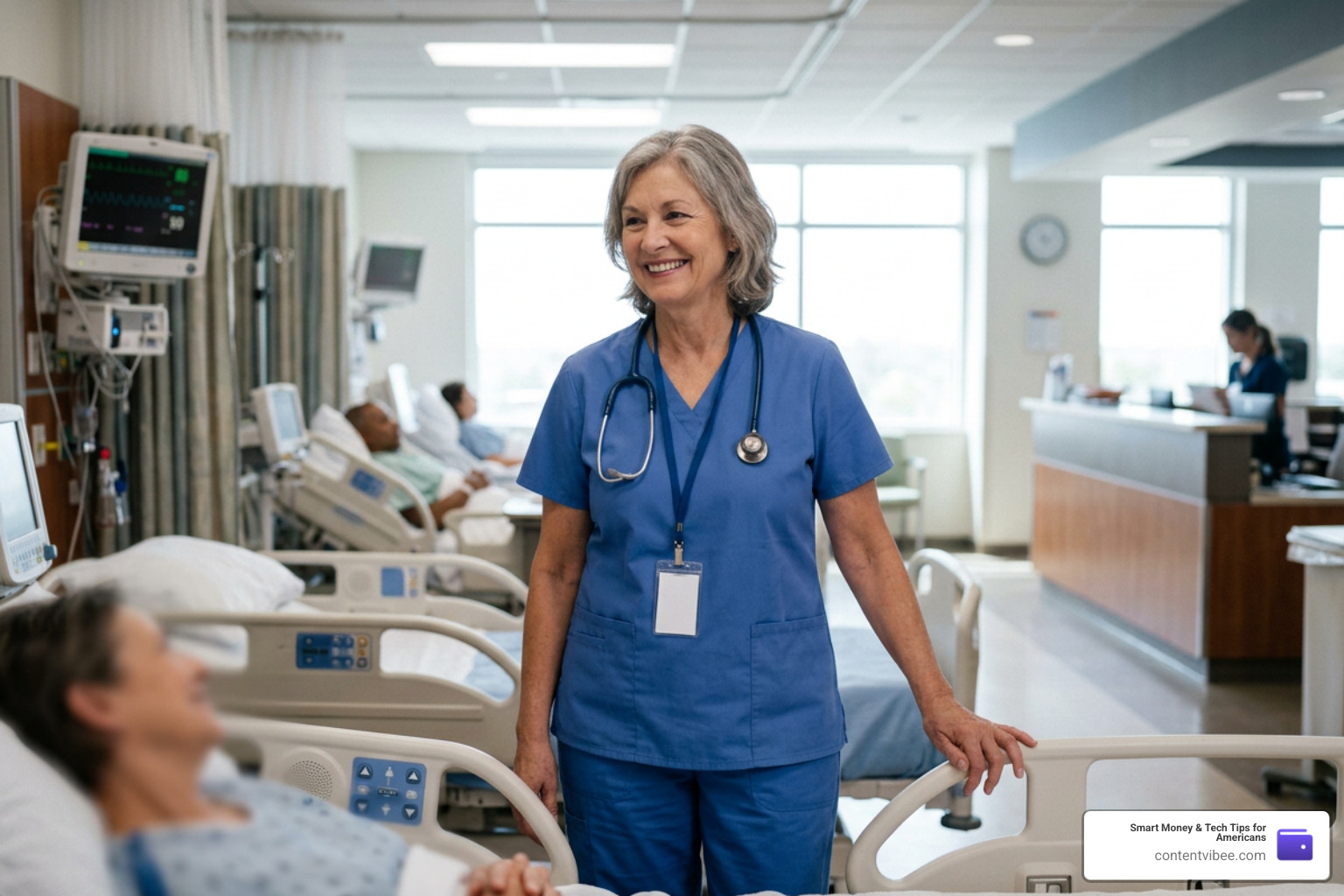
If you decide to return to a clinical setting, managing the physical toll is critical. You do not have to agree to standard 12-hour shifts that leave your joints aching and your energy depleted.
Many hospitals and clinics now offer shorter shifts—such as 4-hour, 6-hour, or 8-hour blocks—specifically designed to attract retired nurses back to the bedside.
Take inspiration from nurses who refuse to let age dictate their limits. For example, some dedicated professionals continue working clinical shifts well into their 80s by prioritizing positivity, listening closely to their patients, and negotiating schedules that allow ample rest. You can read about one such inspiring story of a Florida nurse here: Registered nurse can still do 12-hour shifts at 80. What’s her secret? . The key is to set firm boundaries with your employer regarding what you can and cannot physically handle.
Overcoming Age Bias and CV ‘Botoxing’
Unfortunately, ageism still exists in the corporate and healthcare worlds. When applying for roles, some older applicants worry that their extensive history might make them seem overqualified, expensive, or resistant to new technology.
To combat this, many senior job seekers practice “CV botoxing.” This doesn’t mean lying; it means strategically formatting your resume to highlight your relevance rather than your age.
- Limit your work history: Only list the last 10 to 15 years of relevant experience.
- Remove graduation dates: You don’t need to list the year you graduated from nursing school.
- Focus on results and tech skills: Highlight your familiarity with modern EHR systems, telehealth platforms, and communication tools.
- Leverage modern tools: Job seekers who use tools like Indeed Career Scout are 38% more likely to get hired, as these platforms help optimize resumes for modern applicant tracking systems.
You can read more about navigating the employment market as an older professional in this piece: I’m a nurse still working 60-hour weeks aged 80 | News UK | Metro News .
Financial and Health Considerations Before Returning to Work
Before you sign an employment contract, it is vital to analyze the financial and healthcare implications of your new income. Working in retirement can sometimes trigger unexpected tax bills or impact your healthcare coverage.
If you are on Medicare, understand how your new employment affects your coverage. If your new part-time employer offers high-quality health insurance, you may be able to delay enrolling in Medicare Part B and D without penalty, saving you money on premiums.
Furthermore, if you are utilizing the 4% withdrawal rule (withdrawing 4% of your retirement assets in the first year and adjusting for inflation thereafter), earning part-time income can significantly reduce the amount you need to pull from your portfolio, allowing your investments to compound and grow for longer. For a comprehensive look at these financial dynamics, explore The Ultimate Guide to Working Past 65 and Beyond.
Social Security and Pension Implications
One of the most critical aspects of nurses working past retirement is understanding how earnings affect Social Security benefits.
If you have already reached your Full Retirement Age (FRA)—which is between 66 and 67 for most workers today—you can earn as much as you want without any reduction in your Social Security benefits. However, if you claim benefits before reaching your FRA and continue to work, you will be subject to the Social Security earnings test limit. If you earn over this limit, the government will temporarily withhold a portion of your benefits (though you will get this money back in the form of higher monthly payments once you reach FRA).
Additionally, for every year you delay claiming Social Security past your FRA up to age 70, your monthly benefit increases by a guaranteed 8%. Working a flexible consulting job can help you bridge the gap so you can delay claiming and maximize your lifetime payouts. For more details, consult Working Past 70: How to Handle Your Social Security Benefits.
Impact on Health, Well-being, and Quality of Life
Does working longer keep you healthy, or does it wear you down? The answer depends entirely on your mindset and the boundaries you set.
Studies show that seniors who remain engaged in meaningful, moderate work enjoy better cognitive function, lower rates of depression, and a stronger sense of physical vitality.
Take the example of 80-year-old emergency department nurse Iva Hills, who attributes her incredible energy and longevity to a daily choice to remain positive, eat well, exercise, and maintain active hobbies outside of work. By reducing her shifts to manageable, shorter blocks, she continues to find joy in helping others while protecting her own well-being. Read her inspiring story here: Pilgrim Hospital nurse Iva Hills, 80, puts longevity down to positivity .
How Employers Can Support and Retain Older Nurses
To keep the invaluable skills of mature nurses in the workforce, healthcare organizations must move away from rigid, one-size-fits-all employment models.
Savvy employers are implementing retention strategies specifically targeted at older professionals:
- Flexible and PRN Scheduling: Allowing retired nurses to work on an “as-needed” (PRN) basis, picking up shifts only when it suits their personal schedules.
- Ergonomic and Wellness Support: Providing mechanical lifting aids, anti-fatigue flooring, and dedicated quiet spaces for rest.
- Phased Retirement Programs: Allowing full-time staff to gradually reduce their hours over several years rather than retiring abruptly.
- Non-Clinical Mentorship Roles: Creating paid positions where experienced nurses can advise, observe, and support newer staff without being assigned a direct patient load.
By valuing the well-being and clinical wisdom of mature workers, employers can build a highly resilient, cross-generational nursing team. You can explore the academic research on this workforce dynamic at Nurses’ intention to work after retirement, work ability and … – PMC .
Frequently Asked Questions About Post-Retirement Nursing
What are the best non-bedside jobs for retired nurses?
The best non-bedside roles include Legal Nurse Consulting, Telehealth Triage, Nurse Case Management, Healthcare Content Writing, and Clinical Instruction. These positions leverage your clinical expertise while minimizing physical strain.
How does working past retirement age affect my Social Security benefits?
If you are at or past your Full Retirement Age (FRA), your earnings will not reduce your Social Security benefits. If you are under your FRA, earning over the annual limit will temporarily reduce your monthly benefit payments. Additionally, your extra earnings are subject to standard income and payroll taxes.
Do I need to maintain an active nursing license to work in consulting?
Yes, most consulting, education, and telehealth roles require you to maintain an active, unencumbered RN license in the state where you (or your patients) reside. If your license has expired, you can typically reactivate it by completing a state-approved nurse reentry or refresher course.
Conclusion
Returning to the workforce as a retired nurse is a deeply personal decision, but it is one filled with incredible opportunity. Whether you choose to consult with law firms, teach the next generation of caregivers, or triage patients from your living room, your decades of hard-won experience are a priceless resource.
At ContentVibee, we are dedicated to helping you navigate these transitions with financial clarity and peace of mind. By balancing your passion for care with smart financial strategy, you can enjoy a post-retirement career that is both personally fulfilling and financially secure.
Before you take your next professional step, make sure you understand how your new income might interact with your household’s finances by reading our guide on Working in Retirement: Are Spousal Benefits Reduced by Working?.